Transform Bulk Bags into Data Hubs: Boost Supply Chain ROI by 40%
RUNCHEN
AuthorWith more than 25 years of experience in FIBC bulk bag manufacturing and sales, RUNCHEN operates its own production facility with stable batch capacity. We specialize in FIBC bulk bags, jumbo bags, ton bags, and customized industrial packaging solutions.
From Cost Center to Growth Engine: Rethinking the Bulk Bag's Strategic Value
For bulk bag manufacturers and industrial suppliers, the market narrative has long centered on cost, compliance, and containment. Yet, the data reveals a more profound shift. With China's packaging market heading towards a trillion-yuan scale and the global push for sustainability—evidenced by an 80% green packaging share in some segments—competition is no longer just about the bag. It's about the intelligence and value embedded within it. The real opportunity lies in transforming the bulk bag from a passive logistics consumable into an active, data-generating node in the smart supply chain. This strategic pivot can unlock efficiencies and revenue streams that far surpass traditional cost-saving measures.
The Data Hub: Turning Logistics Black Boxes into Transparent Assets
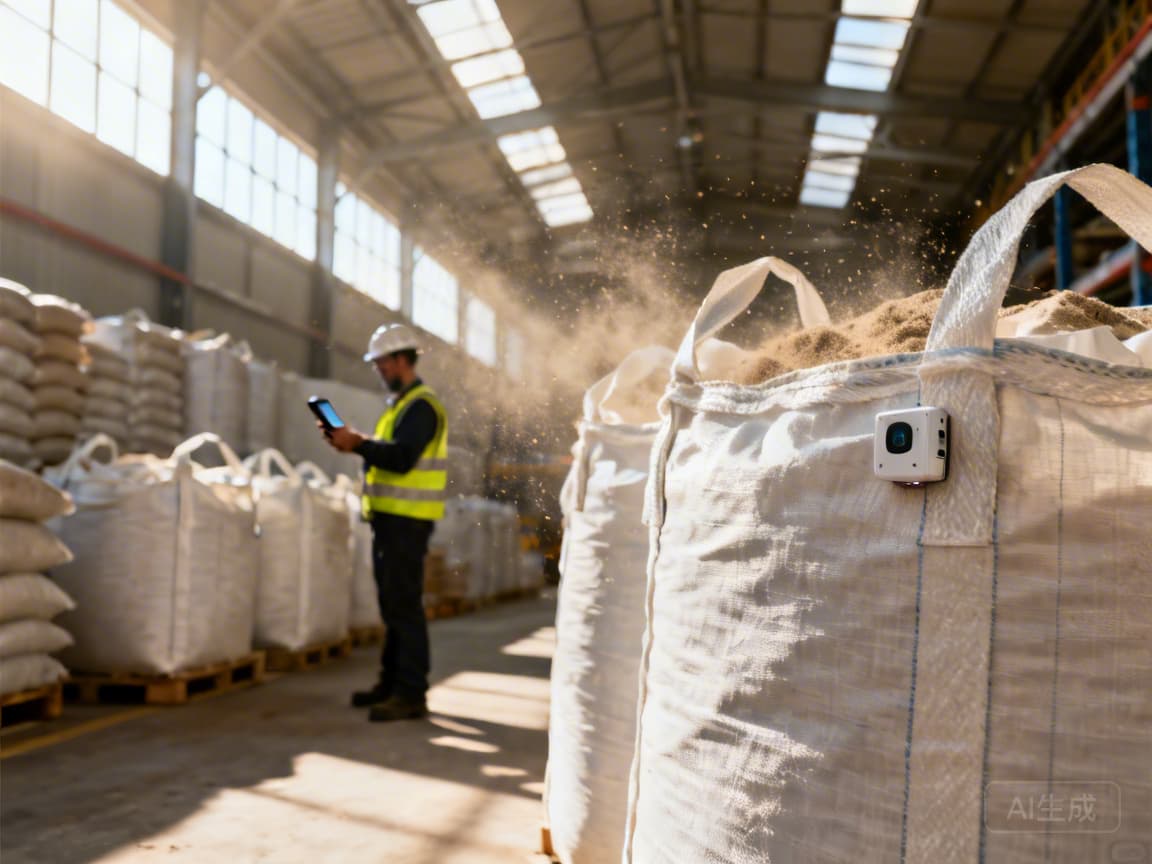
Consider the success of a Fortune 500 Technology Company, which used AI-driven analytics to slash customer acquisition costs by 42% and boost conversions by 156%. The lesson isn't about marketing software; it's about leveraging data to illuminate inefficiencies. This principle applies directly to bulk bag logistics. By integrating low-cost IoT sensors for impact, temperature, humidity, or GPS, a bulk bag ceases to be just a container. It becomes a platform that provides real-time visibility into the supply chain's "black box."
This data directly addresses core industry challenges like raw material price volatility and the need for智能化生产 (smart production). Knowing exactly where your shipment is, its condition, and how long it sits in transit allows for:
- Predictive Inventory Management: Reducing safety stock levels and associated holding costs.
- Proactive Loss Prevention: Identifying rough handling to mitigate claims and preserve product quality for high-value commodities (e.g., chemicals, pharmaceuticals).
- Optimized Asset Turnover: Tracking bag location to accelerate the循环 (recycling) and reuse cycle.
The ROI framework shifts from simple "cost per bag" to "value of data per shipment," protecting and enhancing the value of the contents inside.
Quantifying the Green Premium: From Compliance to Circular Revenue
Meeting ESG mandates is a baseline. The leaders will monetize sustainability. The European cosmetics packaging market, driven by strict regulations and consumer demand, is a clear indicator, projected to grow steadily to $6.58 billion by 2033. Similarly, the explosive growth of PLA plastic, with a market value leaping from $1.5 billion to $3.3 billion in five years, signals a massive shift in material science. For bulk bags, this means moving beyond offering a recyclable FIBC bulk bag to building a circular economy model.
The goal is to transform bulk bag recycling from a cost center into a value-generating service. Manufacturers can establish closed-loop tracking systems that provide clients with verifiable carbon footprint reports, enhancing their own ESG narratives. This data enables innovative business models, such as "Packaging-as-a-Service," where clients lease bags and pay based on usage cycles, aligning supplier incentives with durability and回收 (recovery) rates. As one market insight notes, the future is in "green循环与可持续发展 (green circularity and sustainable development)." Providing the data to prove it creates a powerful competitive moat.
Actionable Steps for Manufacturers and Suppliers
- Pilot Smart Packaging: Partner with a key client to trial sensor-equipped bags on a specific high-value or sensitive product line. Measure reductions in loss, claims, and inventory days.
- Develop a Circular Blueprint: Design a take-back and recycling program for your products. Calculate the potential reduction in virgin material procurement and the carbon savings to present as a client value proposition.
- Elevate Consultative Selling: Shift sales conversations from specifications to outcomes. Use insights from the broader market—like how AI drove 544% ROI in other B2B sectors—to discuss optimizing the client's entire filling, transport, and discharging process.
Conclusion: Strategic Differentiation in an Era of Change
Facing产能扩张与需求不足 (capacity expansion and insufficient demand), the path forward is not price competition but value creation. By leveraging the bulk bag as a data hub and a quantifiable sustainability tool, forward-thinking bulk bag manufacturers and industrial bulk bag suppliers can drive the industry's necessary shift toward高端化 (high-end) and多元化 (diversification). The bags you produce are not just containers for today's goods but foundational platforms for tomorrow's efficient, transparent, and responsible supply chains. The data—from soaring green market shares to transformative AI ROI—clearly points the way.
Related News
Other news you might be interested in
Choosing the Right Bulk Bag Manufacturer for Safer, More Efficient Operations
Learn how to specify bulk bags, evaluate manufacturers, and validate quality and supply reliability to reduce operational risk and support safer, more efficient handling.
The 140th Canton Fair: New Trends in the Export Market for FIBC Bulk Bags, Jumbo Bags, and PP Woven Packaging
Explore how export buyers can evaluate FIBC bulk bags and PP woven packaging beyond unit price. Get practical guidance on specifications, supplier verification, sustainability requirements, and RFQs—and prepare your next sourcing conversation with COSEK.
Want to know more?
Get in touch with us for more information about our services and products.