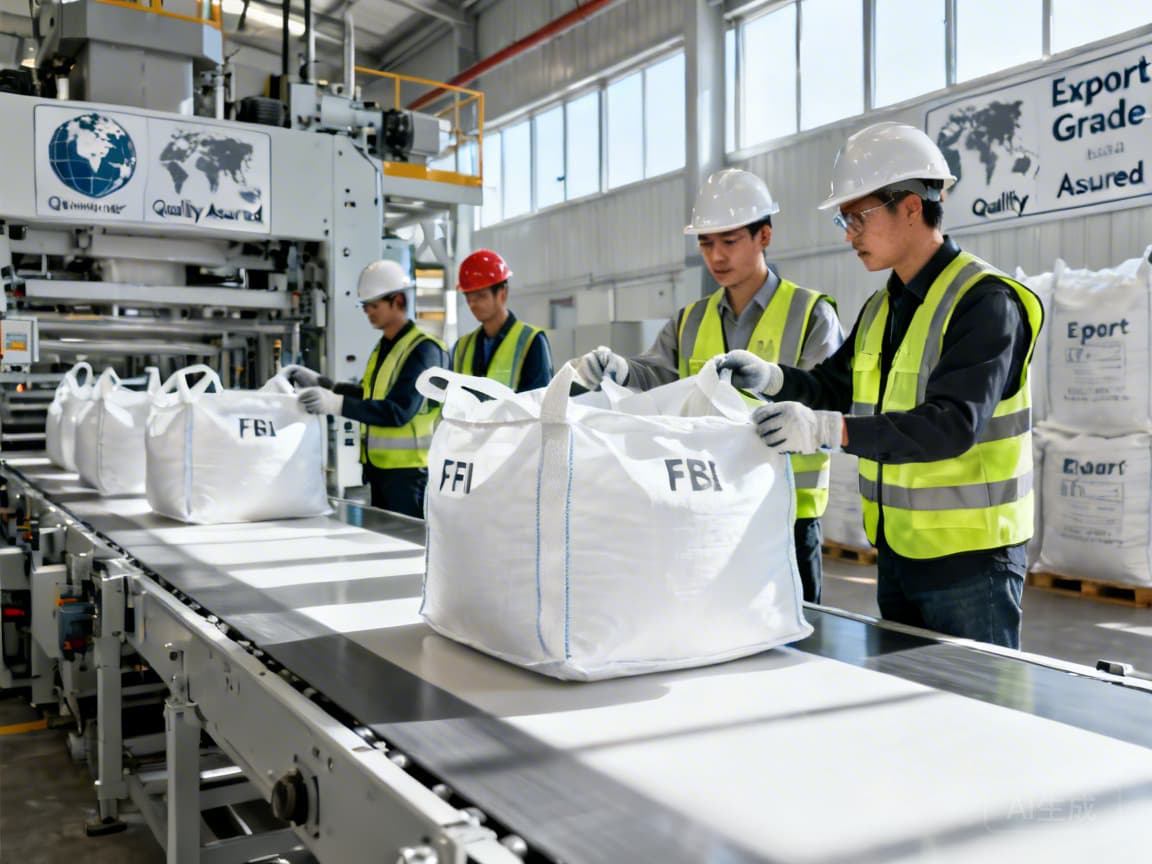
Transform Your FIBC Bag from Cost to Growth Engine: Unlock New Markets
RUNCHEN
AuthorWith more than 25 years of experience in FIBC bulk bag manufacturing and sales, RUNCHEN operates its own production facility with stable batch capacity. We specialize in FIBC bulk bags, jumbo bags, ton bags, and customized industrial packaging solutions.
Transform Your FIBC Bag from Cost to Growth Engine: Unlock New Markets
For decades, the Flexible Intermediate Bulk Container (FIBC or吨袋) has been viewed through a narrow lens: a cost of logistics and a compliance checkbox. This transactional mindset is a strategic dead end in today's volatile market. Leading enterprises like Tech-Long and momo demonstrate that resilience and growth come from strategic diversification and embedding core values like ESG into the supply chain. It's time to apply that same strategic thinking to your packaging. Your FIBC is not just a bag; it's a critical physical node in your value chain and a potential engine for market expansion and risk mitigation.
The Strategic Pivot: From Container to Catalyst
The packaging industry is at an inflection point. While the Chinese market is projected to surpass ¥1 trillion by 2025, it grapples with overcapacity, raw material volatility, and a mandatory shift toward green, high-value solutions. Your customers—from food additives to lithium battery materials—aren't just buying a bag. They are seeking partners to help them navigate these complexities to achieve growth. The case of Tech-Long is instructive: by proactively opening a "second front" in non-beverage packaging, they diversified their revenue and built resilience. Your FIBC strategy can empower your clients to do the same for their products.
Case Study: Packaging as a Market Entry Vehicle
Consider a manufacturer of high-value, moisture-sensitive specialty fertilizers. The goal is to enter a new, humid geographic market. The standard cost-focused question is: "What's the cheapest bag that meets spec?" The growth-focused question is: "What FIBC design ensures our product arrives with guaranteed integrity to protect our brand and unlock this new revenue stream?" A solution involving custom liners, UV protection, and specific seam sealing transforms the FIBC from a cost into a market-entry enabler, directly supporting the client's expansion strategy.
Actionable Framework: Is Your Product a Candidate for Strategic FIBC?
Not every shipment requires a strategic packaging overhaul. Use this checklist to identify high-potential opportunities where FIBC can drive growth:
- Product Value: Is the contained material high-value (e.g., specialty chemicals, premium food ingredients)?
- Product Sensitivity: Is it prone to degradation from moisture, oxidation, or contamination?
- Market Logistics: Does the target market have challenging climate conditions or infrastructure limitations?
- End-User Requirement: Are downstream customers (like momo's 10,000 suppliers bound by CSR principles) demanding sustainable or traceable packaging?
If you answer "yes" to any, your FIBC is a strategic lever. The next step is engaging your supplier with the right questions.
From Transaction to Partnership: 5 Key Questions for Your FIBC Supplier
Elevating the conversation requires moving beyond technical specs. Initiate a strategic dialogue with these questions:
- Beyond weight capacity, how can your FIBC design specifically reduce in-transit and storage loss for our product? This directly addresses raw material price volatility by protecting your investment.
- Can we co-develop a reusable or recyclable system that aligns with our ESG goals? With 80% of the market shifting toward green packaging, a circular FIBC strategy is a competitive advantage, not just compliance.
- What design features (e.g., specific spout types, discharge aids) can maximize the efficiency of our bulk bag filler and discharger systems? This links packaging to overall operational throughput.
- How can we integrate traceability (like smart bag tags) into the FIBC for enhanced supply chain visibility? This is critical for food-grade and high-value materials.
- Do you offer engineering support to test prototypes for new product formats? This is essential for launching innovative products, from "dippin' dots bulk bag" concepts to retail-ready mini-FIBCs.
Building a Resilient, Future-Ready Supply Chain
The momentum toward automation and Industry 4.0, as seen in the rise of fully automatic FIBC packaging lines, creates further opportunity. A strategically designed FIBC is the ideal interface for automated systems, ensuring reliable handling, precise filling, and clean discharging. This synergy reduces labor costs and contamination risks, building tangible supply chain resilience. Furthermore, by adopting sustainable FIBC solutions early, you future-proof your operations against tightening environmental regulations and meet the evolving demands of brand-conscious partners.
The lesson from forward-thinking companies is clear: integrating core strategic goals—be it growth, sustainability, or resilience—into every element of the operation is key. Your packaging is too critical an element to leave out of this equation.
Conclusion: The Bag as a Growth Asset
The data and cases point to one inevitable conclusion. In a market moving toward high-end, diversified, and green transformation, the traditional cost-centric view of FIBC is obsolete. By reimagining your bulk bag as a strategic asset for market access, risk mitigation, and sustainability, you unlock its true potential. The goal is no longer to simply purchase a container, but to partner with a FIBC provider who offers the engineering expertise and strategic insight to transform your packaging from a line-item cost into a verifiable engine for growth and stability.
Related News
Other news you might be interested in
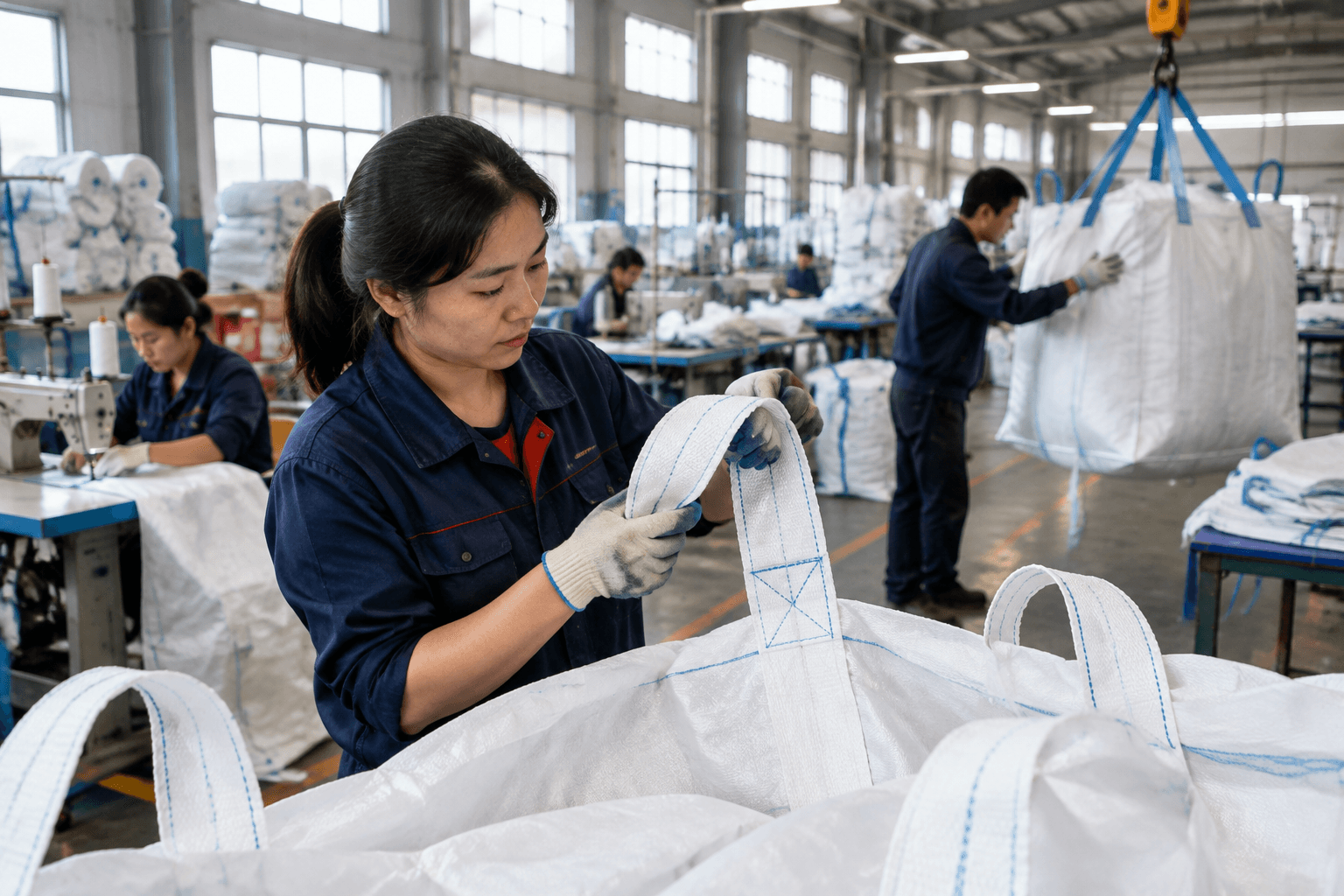
Choosing the Right Bulk Bag Manufacturer for Safer, More Efficient Operations
Learn how to specify bulk bags, evaluate manufacturers, and validate quality and supply reliability to reduce operational risk and support safer, more efficient handling.
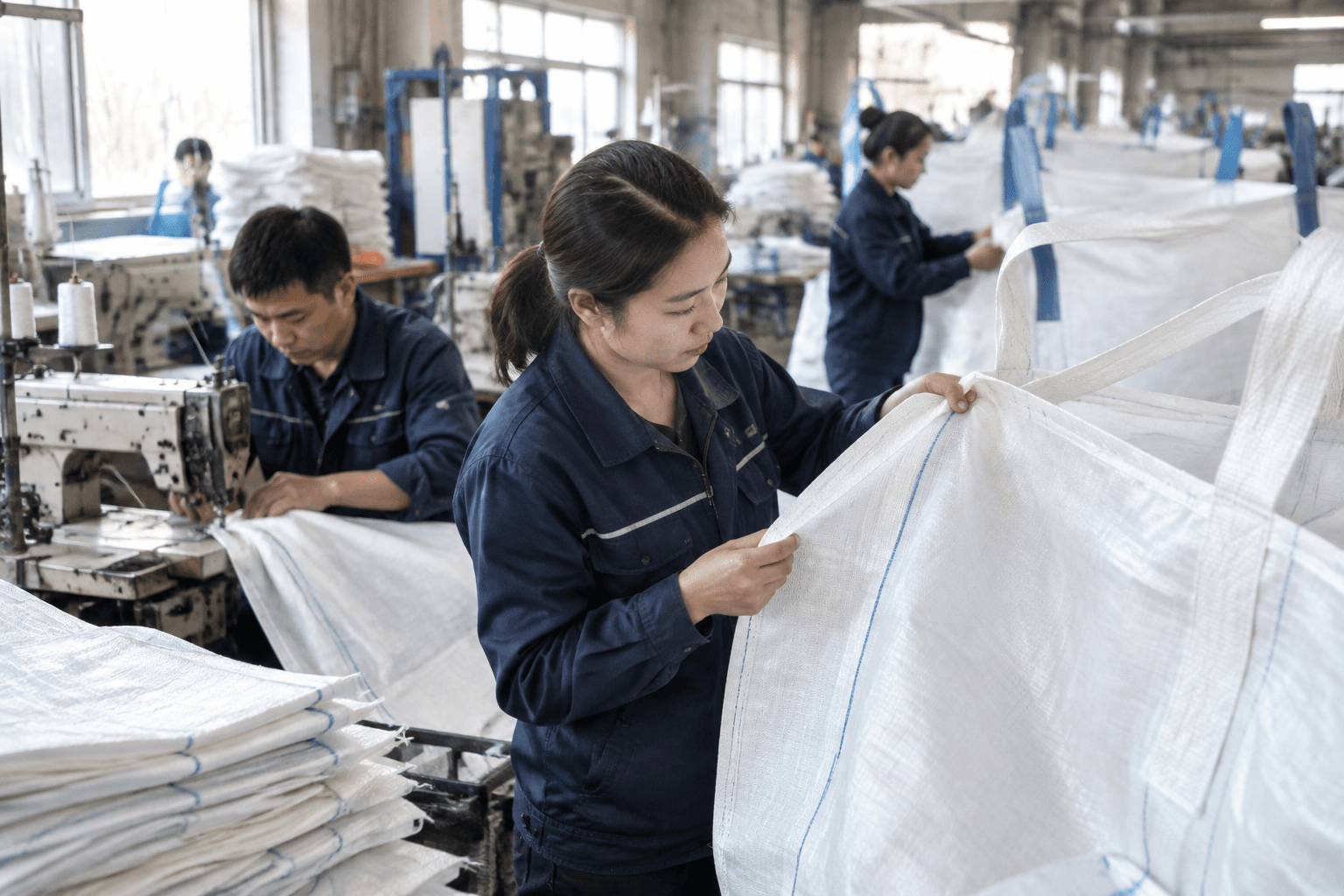
The 140th Canton Fair: New Trends in the Export Market for FIBC Bulk Bags, Jumbo Bags, and PP Woven Packaging
Explore how export buyers can evaluate FIBC bulk bags and PP woven packaging beyond unit price. Get practical guidance on specifications, supplier verification, sustainability requirements, and RFQs—and prepare your next sourcing conversation with COSEK.
Want to know more?
Get in touch with us for more information about our services and products.