Ventilated FIBC Bags Gain Attention as Agricultural Exports Seek Better Moisture Control for Grains, Seeds and Feed
RUNCHEN
AuthorWith more than 25 years of experience in FIBC bulk bag manufacturing and sales, RUNCHEN operates its own production facility with stable batch capacity. We specialize in FIBC bulk bags, jumbo bags, ton bags, and customized industrial packaging solutions.
Summary
As global agricultural trade continues to expand, exporters of grains, seeds, feed ingredients and other dry bulk agricultural materials are paying closer attention to moisture control during storage and long-distance transportation. In response, ventilated FIBC bags are becoming an increasingly important packaging option, helping improve airflow, reduce condensation risk and support more stable delivery quality. For buyers handling different moisture-sensitive materials, packaging selection is shifting from simple load capacity toward a more detailed evaluation of ventilation, sealing, handling efficiency and export suitability.
Agricultural Exporters Face Greater Pressure to Protect Product Quality
In agricultural bulk trade, packaging is no longer viewed only as a container for loading and lifting. For grains, seeds, feed pellets, beans, nuts and similar materials, the condition of the product after arrival can directly affect selling price, processing yield and customer satisfaction.
Longer shipping cycles, warehouse temperature differences, container condensation and seasonal humidity all increase the risk of moisture accumulation. Once moisture is trapped inside packaging, dry agricultural goods may face caking, mold growth, odor changes, reduced germination performance for seeds, or quality disputes after delivery.
This is why more exporters are reviewing their bulk packaging systems before shipment. Instead of relying only on standard woven bags, buyers are asking whether the bag structure can better match the real transport environment.
Ventilation Becomes a Key Requirement for Selected Agricultural Materials
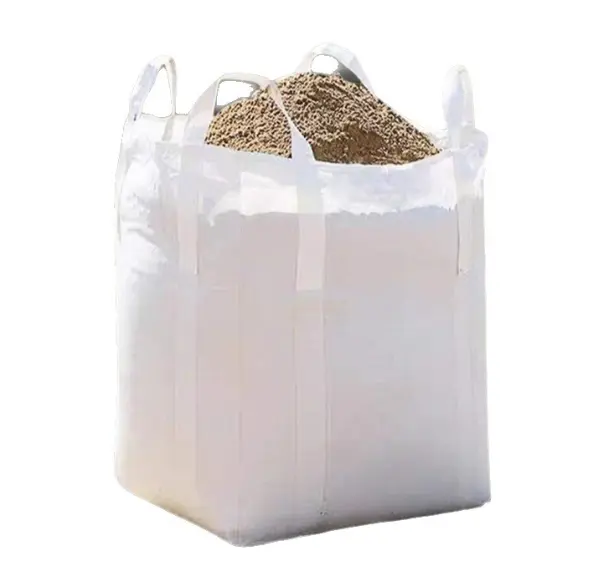
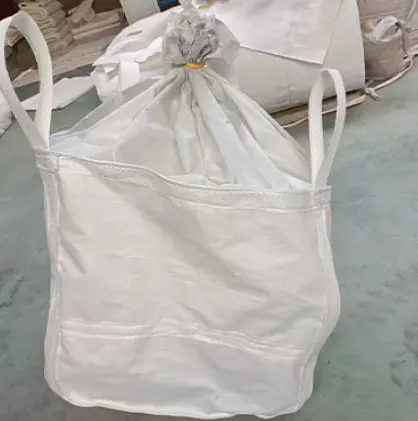
Ventilated FIBC bags are designed to allow air circulation during storage and transportation. Compared with fully closed standard bulk bags, breathable structures can help reduce stuffiness inside the bag and lower the risk caused by moisture build-up during stacking or container movement.
This makes ventilated bulk bags especially suitable for materials that require airflow rather than complete sealing, such as certain agricultural products, firewood, garden materials, seeds, feed and blocky or granular goods. For these applications, the goal is not only to carry weight safely, but also to maintain a more stable internal environment during storage and logistics.
BulkBag B2B’s COSEK Ventilated Bulk Bag is designed for bulk goods requiring ventilated storage and transportation. The product uses PP polypropylene woven fabric and can be equipped with breathable strips, mesh cloth or partial breathable structures. For agricultural exporters, this type of structure provides a practical balance between lifting convenience, warehouse handling and airflow management.
Moisture Control Is Not One-Size-Fits-All
Although ventilation is important, not every agricultural product requires the same packaging design. Some materials benefit from airflow, while others require stronger moisture isolation, especially when goods are stored outdoors, shipped through humid routes, or kept in warehouses with unstable temperature and humidity.
For example, feed raw materials and some grain products may need a more protective barrier when the main risk comes from external moisture exposure rather than internal heat or condensation. In these cases, an FIBC with an inner liner or moisture-proof structure may be more suitable than a fully breathable bag.
BulkBag B2B’s COSEK black moisture-proof ton bag for grain/feed/chemical raw materials waterproof packaging offers another packaging direction for moisture-sensitive materials. With black PP woven fabric, UV-resistant additives and PE anti-seepage film lining, it is positioned for grain, feed and other raw materials that require stronger moisture protection during outdoor storage or long-distance transport.
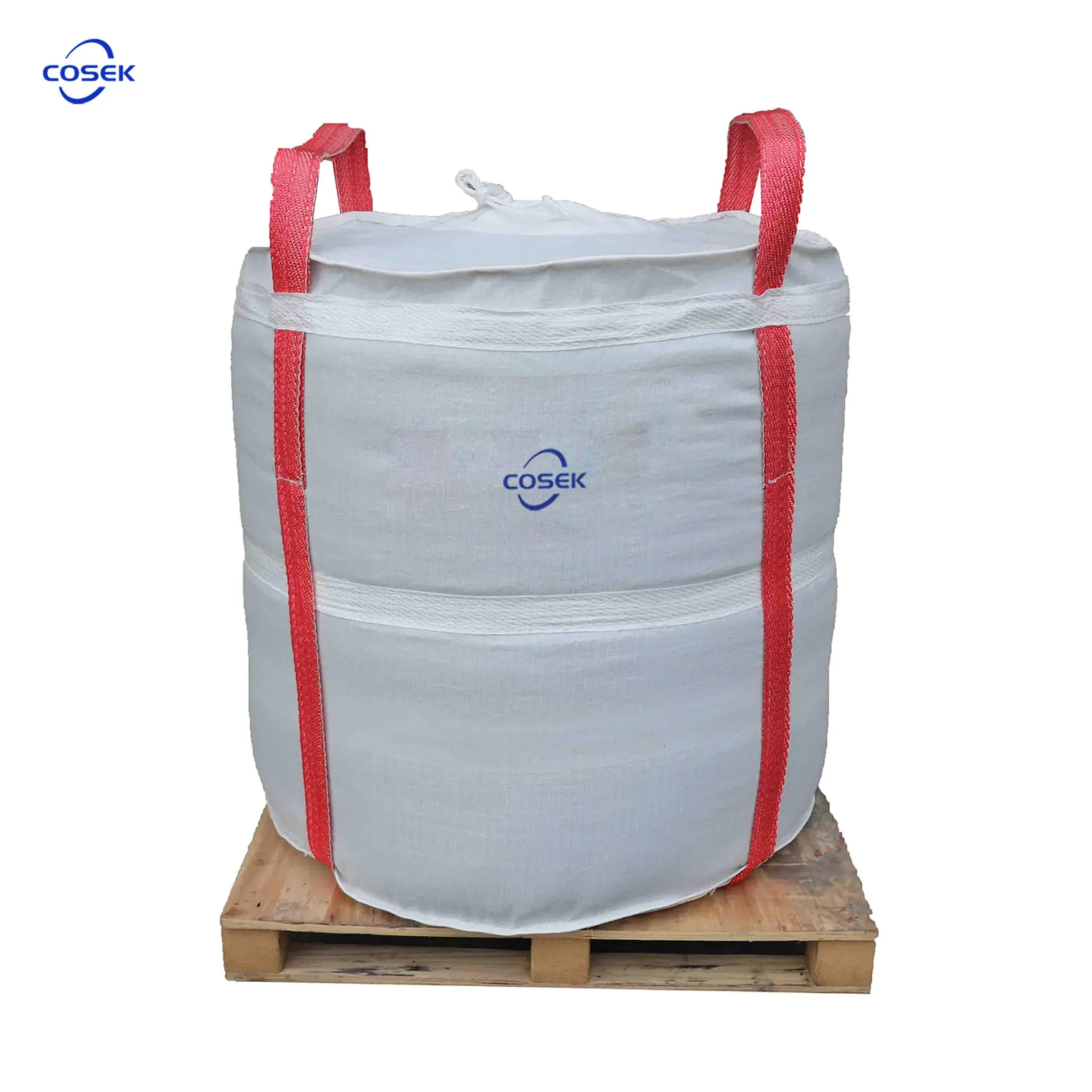
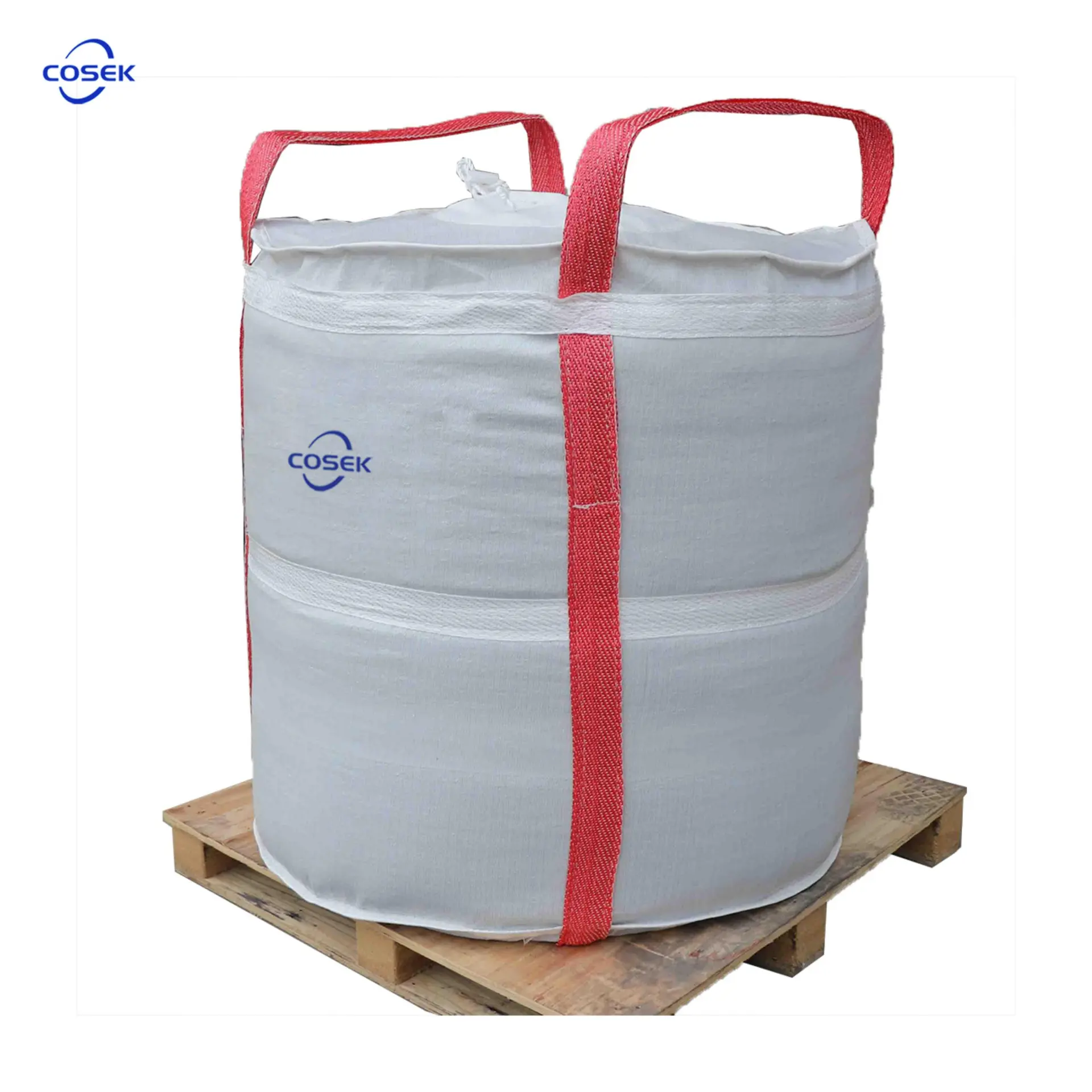
COSEK White Cylindrical Leak-Proof Bulk Bag
Buyers Are Moving Toward Scenario-Based FIBC Selection
The growing attention to ventilated FIBC bags reflects a broader shift in the bulk packaging market. Public market research shows that the global FIBC market is expected to maintain steady growth, driven by demand from food, agriculture, chemicals and industrial bulk materials. At the same time, buyers are becoming more specific in their packaging requirements.
For agricultural exporters, the right FIBC choice now depends on several practical questions:
What is the moisture sensitivity of the product? Will the goods be stored outdoors or indoors? Is airflow needed, or is moisture isolation more important? How long will the shipping cycle be? Will the bags be stacked, container-loaded, forklift-handled or crane-lifted? Are inlet spouts, discharge spouts, liners, printing or labeling required?
By answering these questions before ordering, exporters can reduce the risk of over-specifying or under-specifying their packaging. A ventilated FIBC may be the right solution for breathable storage needs, while a moisture-proof lined ton bag may be better for more sensitive materials exposed to humid environments.
Packaging Upgrades Support More Stable Cross-Border Delivery
As agricultural supply chains become more international, packaging reliability is becoming part of export competitiveness. Overseas buyers are paying more attention to product cleanliness, moisture control, cargo loss prevention and delivery consistency.
For FIBC manufacturers, this creates demand for more customized bag structures rather than only standard bulk bags. Breathable panels, mesh designs, reinforced lifting loops, customized dimensions, liners, coatings and printed batch information are all becoming part of packaging decisions.
For exporters of grains, seeds and feed, the main value of upgraded FIBC packaging is clear: better product protection, smoother handling, lower complaint risk and stronger confidence from overseas customers.
Outlook
Ventilated FIBC bags are expected to play a larger role in agricultural export packaging as buyers continue to focus on quality protection during long-distance shipment. However, the market will not move toward a single packaging format. Instead, agricultural exporters are likely to choose between breathable, moisture-proof, food-grade and lined FIBC solutions based on material properties and transport conditions.
Related News
Other news you might be interested in
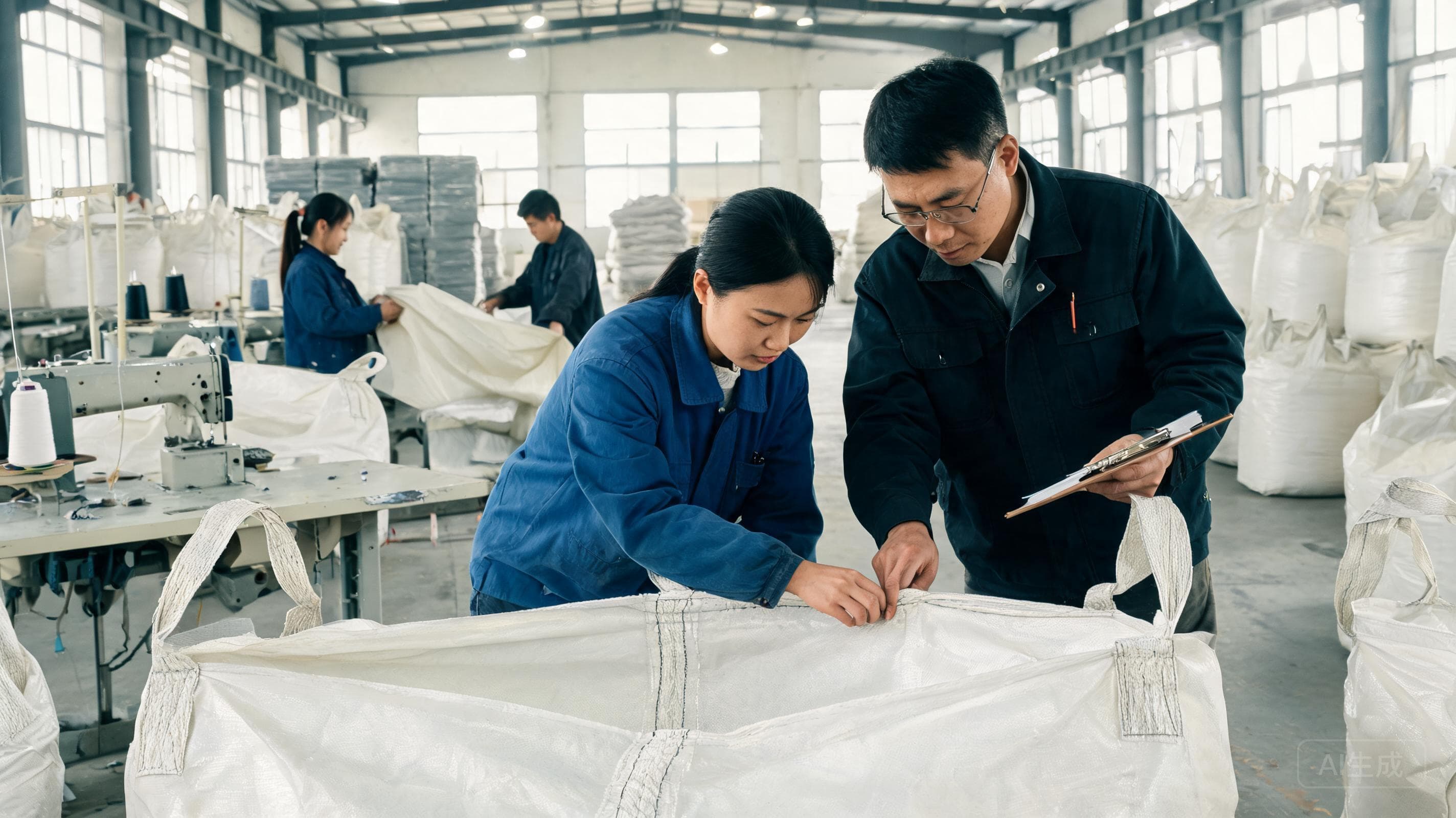
How to Choose an FIBC Manufacturer That Reduces Risk, Protects Your Cargo, and Delivers at Scale
Evaluate FIBC manufacturers on product fit, quality controls, compliance, capacity, and total cost. Use this practical checklist to protect cargo and build a more dependable supply.
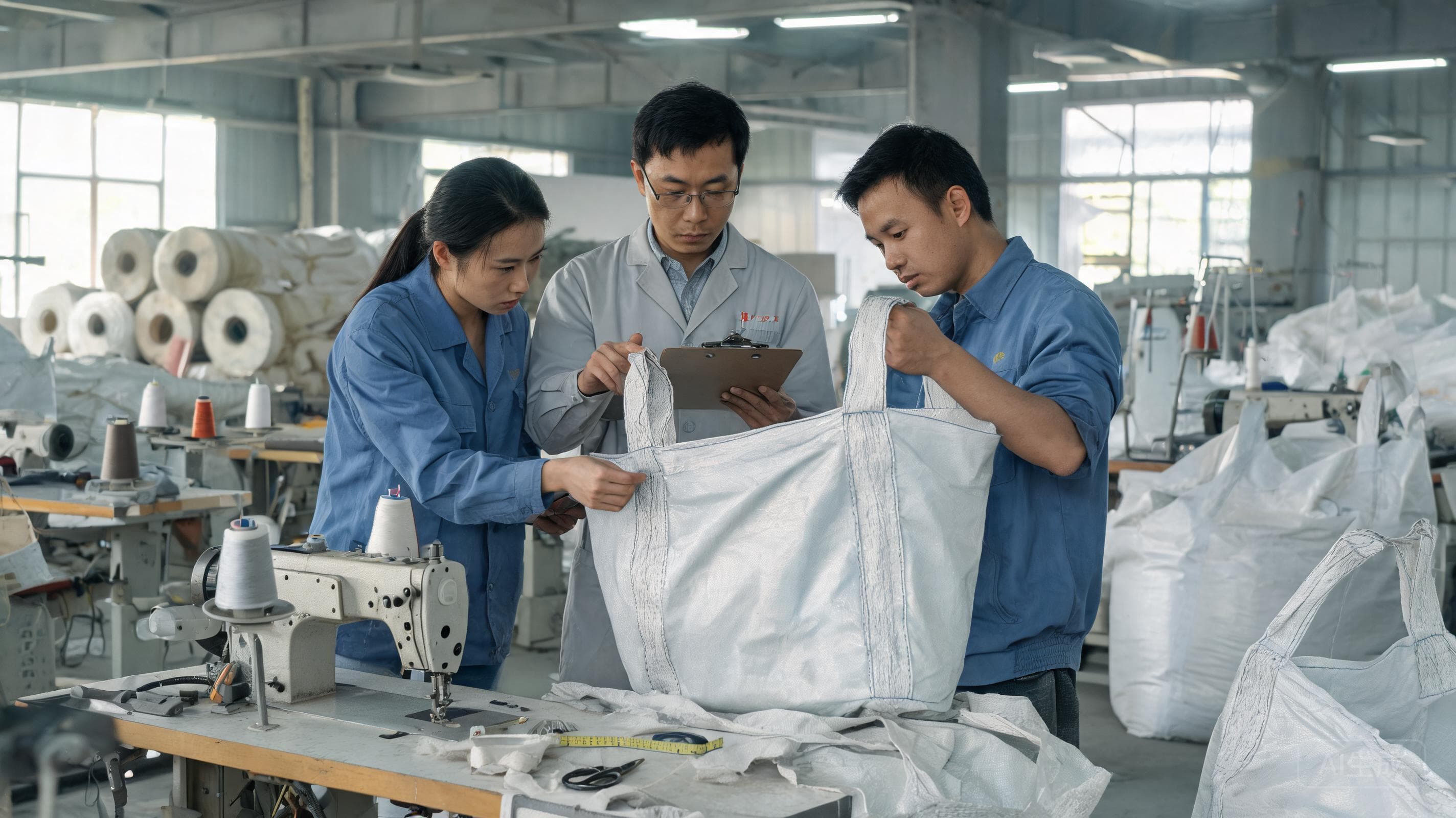
How to Choose a FIBC Bulk Bag Manufacturer That Reduces Risk and Supports Reliable Supply
Use this practical FIBC supplier checklist to match bag construction to your application, verify quality and compliance, and request a specification review or quote.
Want to know more?
Get in touch with us for more information about our services and products.