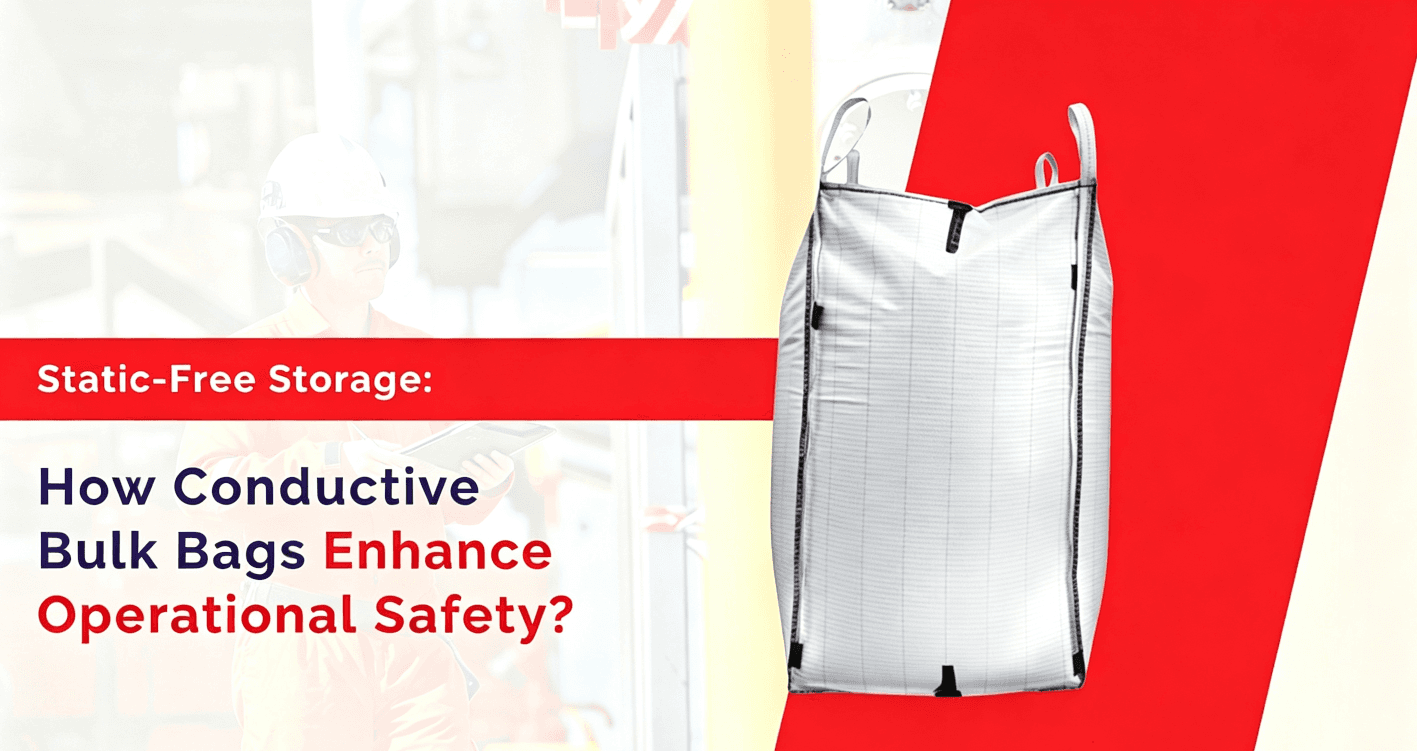
Conductive Bulk Bags: Static-Free Storage for High-Risk Industrial Environments
RUNCHEN
AuthorWith more than 25 years of experience in FIBC bulk bag manufacturing and sales, RUNCHEN operates its own production facility with stable batch capacity. We specialize in FIBC bulk bags, jumbo bags, ton bags, and customized industrial packaging solutions.
In today’s high-paced industrial and manufacturing sectors, safety isn’t just a priority—it’s a necessity. When dealing with flammable powders, volatile materials, or environments susceptible to static electricity, using the right packaging solution can mean the difference between smooth operations and hazardous incidents. That’s where Conductive Bulk Bags, also known as Type C FIBC Bags, come into play.
Designed specifically for environments with electrostatic discharge (ESD) risks, conductive FIBC bags offer static-free storage and transport solutions for sensitive and flammable materials. In this blog, we’ll explore how conductive bags work, why they’re essential for operational safety, and what industries benefit the most from using them.
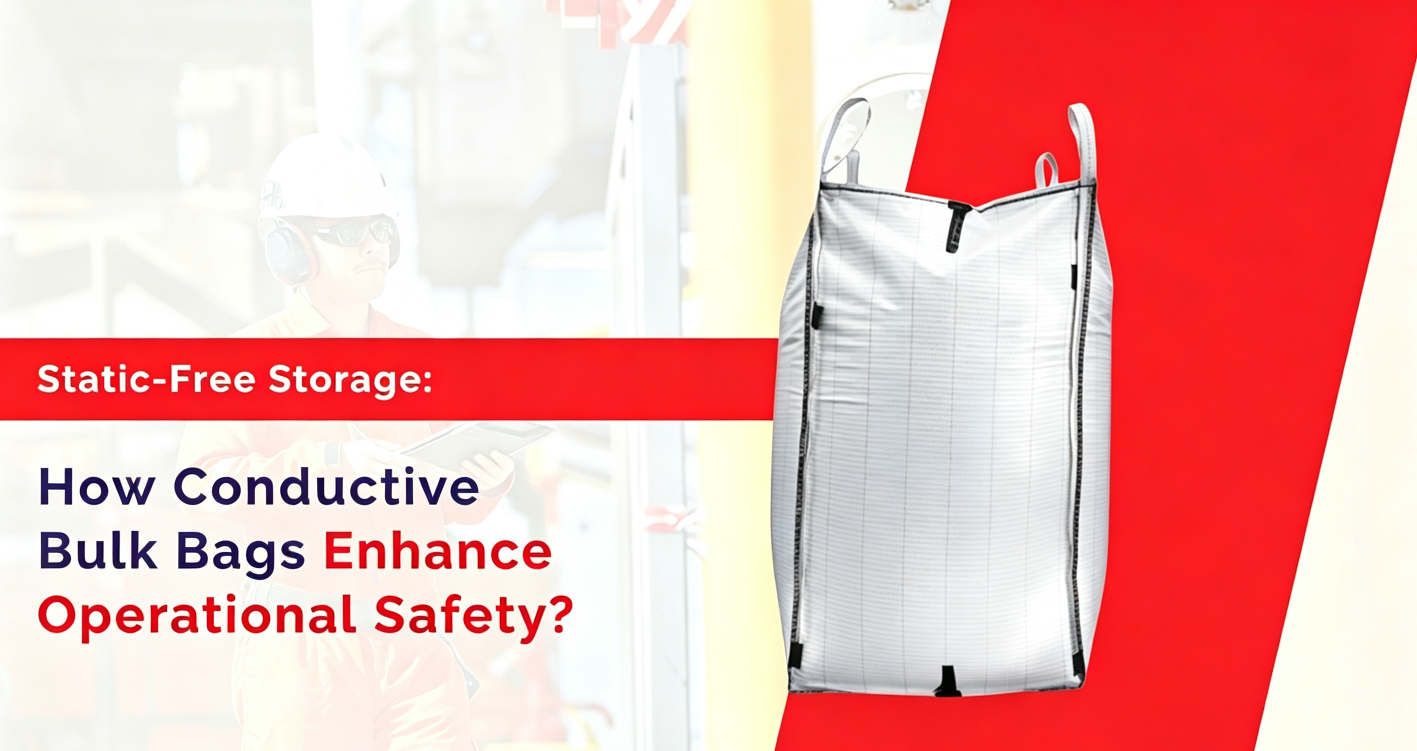
What are Conductive Bulk Bags?
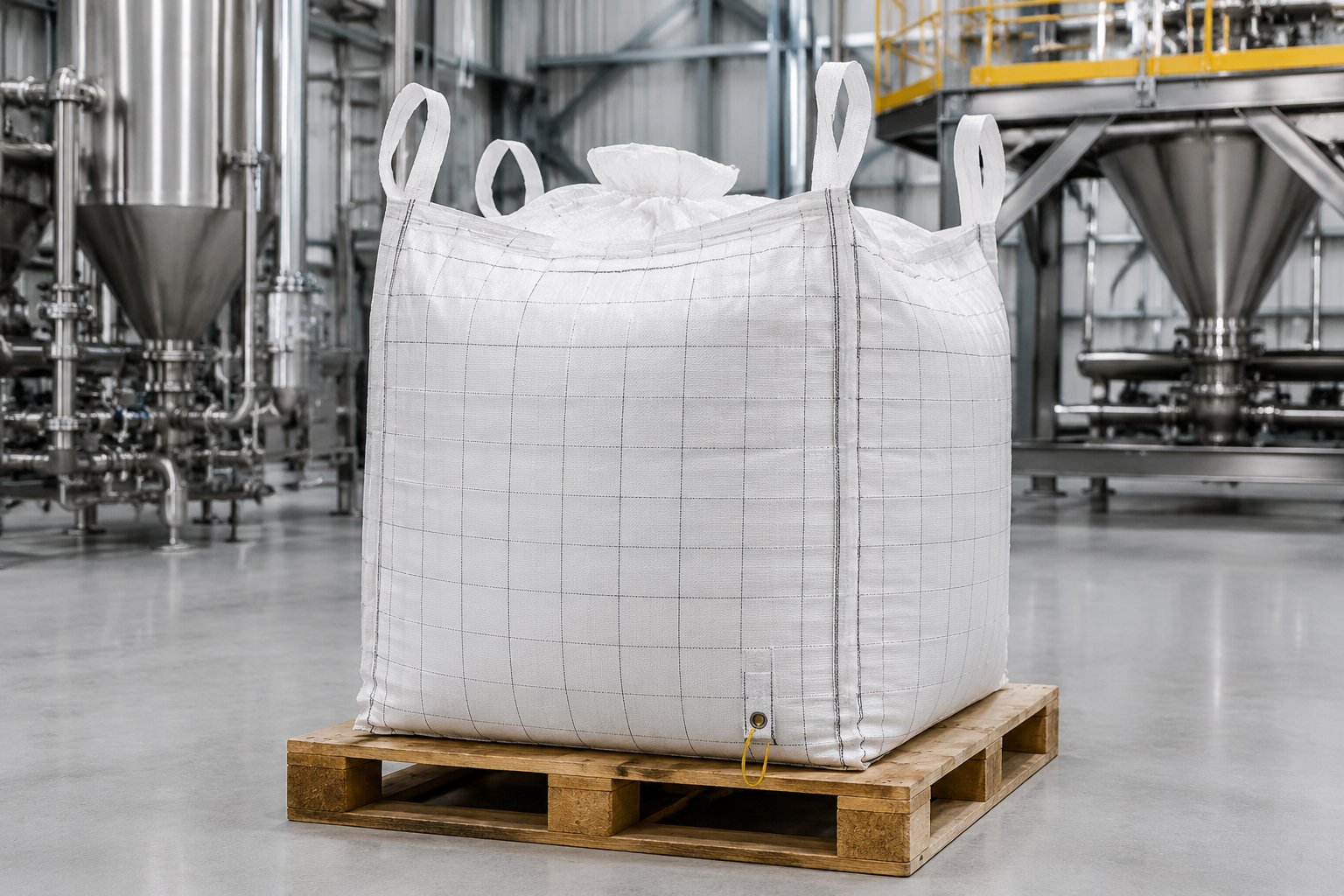
Conductive Bulk Bags, or Type C FIBCs, are industrial-grade containers made from woven polypropylene fabric interlaced with conductive threads or yarns. These threads are interconnected throughout the bag and connected to a grounding point. The primary goal of these bags is to safely dissipate static electricity generated during the filling, transportation, and discharging of bulk materials.
Static build-up in packaging can lead to electrostatic discharge (ESD), which poses a serious threat in industries handling flammable powders, solvents, or chemicals. Conductive bags prevent this risk by eliminating static build-up and safely grounding it, thereby ensuring safer bulk packaging.
How Static Electricity Builds Up in Bulk Handling
Understanding the cause of static electricity is crucial in recognizing the importance of Type C bags. Static is generated during friction—when bulk powders or granular materials move inside a non-conductive container, or when the bag rubs against surfaces during transport. The resulting electrostatic charge can cause:
- Sparks inside or outside the packaging
- Ignition of flammable gases or powders
- Equipment damage or malfunctions
- Worker injury or explosion in extreme cases
With Conductive FIBC Bags, these risks are neutralized by offering safe discharge of static electricity, especially when the bags are properly grounded.
Key Safety Features of Conductive Bulk Bags
Here’s what makes Type C FIBC bags a top-tier choice for electrostatic hazard zones:
1. Woven Conductive Fabric
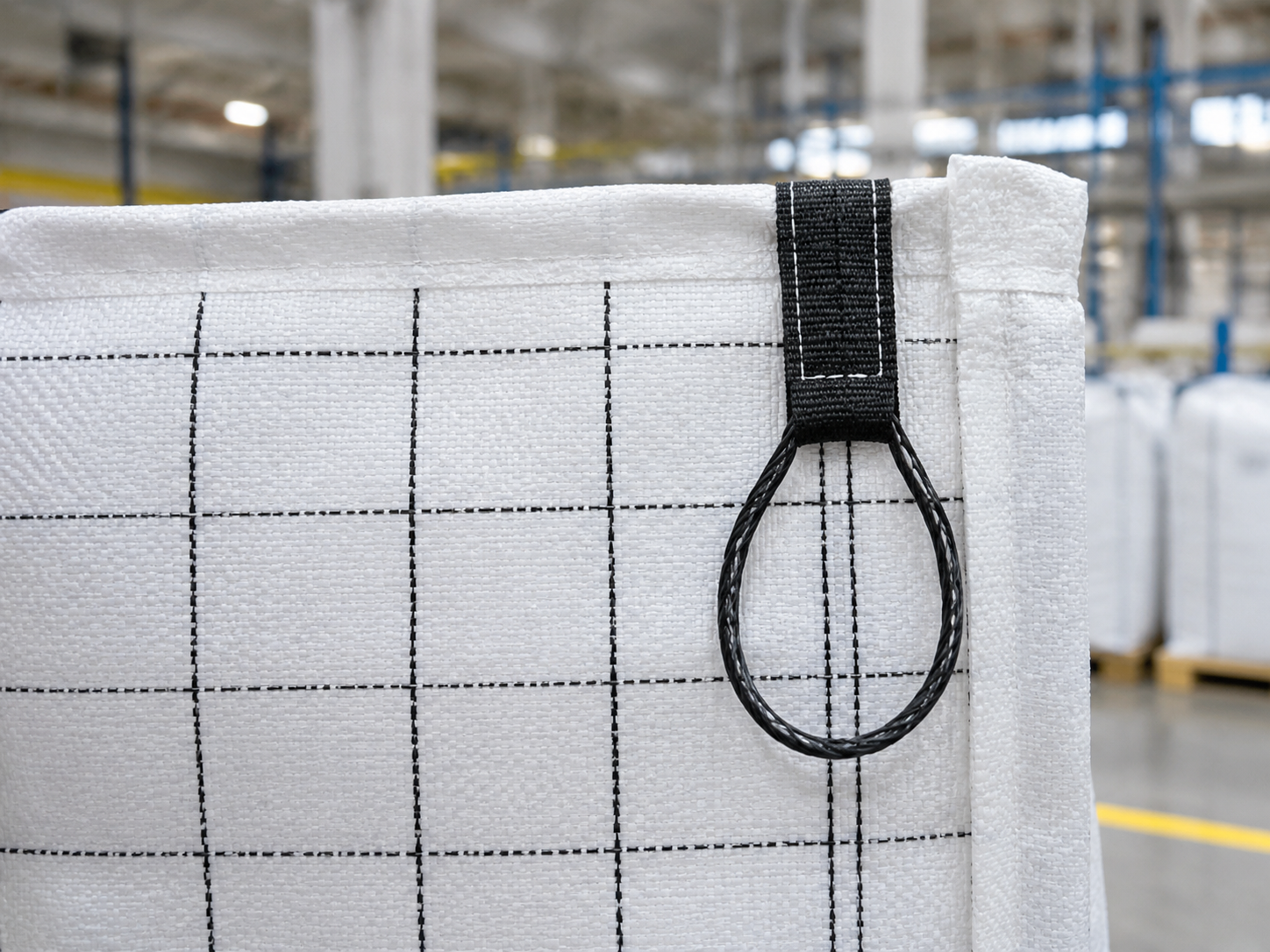
Conductive threads are woven throughout the polypropylene fabric, forming a network that provides a controlled path for static electricity to travel to a ground.
2. Grounding Tab
Every conductive FIBC bag includes a grounding loop or tab that must be connected to a grounded surface before filling or discharging. This ensures consistent static flow control.
3. Multiple Layers of Protection
In some cases, these bags can be used with conductive liners to add an extra layer of ESD protection, especially for powders that generate a high static charge.
4. Compliance with IEC Standards
Many high-quality conductive bulk bags comply with IEC 61340-4-4 guidelines for electrostatics—an international standard that classifies FIBCs into Types A, B, C, and D based on ESD performance.
Benefits of Using Conductive Bulk Bags for Static-Free Storage
Enhanced Operational Safety
By actively dissipating static, Type C bags prevent hazardous sparks during critical processes like filling and unloading. This minimizes explosion or fire risks in explosive atmospheres.
Protection of Product Integrity
Static discharge can sometimes cause contamination or clumping of sensitive products like agri products or fine chemicals. Conductive bags keep materials stable and secure.
Compliance with Industry Regulations
Regulatory authorities require strict adherence to static control in sectors such as chemical, mining, agri, and food processing. Conductive bags help meet ESD-safe packaging regulations.
Reusable and Durable
Conductive FIBCs are designed for multiple uses if properly maintained and inspected for grounding effectiveness and fabric wear.
Common Applications of Conductive Bulk Bags
Conductive bulk packaging is crucial in industries where the combination of flammable materials and static poses a serious hazard:
- Chemical Manufacturing – Transport of flammable chemical powders, solvents, or resins
- Mining and Minerals – Dusty environments with explosive mineral powders
- Food Processing – Starch, flour, sugar powders—materials with high ignition sensitivity
- Paint and Pigment Industry – Solvent-based powders and pigment distribution
Conductive Bags vs. Other FIBC Types
There are several FIBC types, but only Type C and Type D are suitable for flammable environments. Here’s how Type C stands out:
| FIBC Type | Static Control | Grounding Required | Use in Flammable Atmosphere |
|---|---|---|---|
| Type A | No | No | Not safe |
| Type B | Limited (No sparks) | No | Not safe |
| Type C (Conductive) | Yes | Yes | Safe if grounded |
| Type D (Antistatic) | Yes | No | Safe if guidelines followed |
While Type D FIBC Bags can also be used in such environments without grounding, they require more careful handling and specific conditions. Type C bags are the most reliable when grounding is guaranteed.
Grounding Best Practices for Type C FIBCs
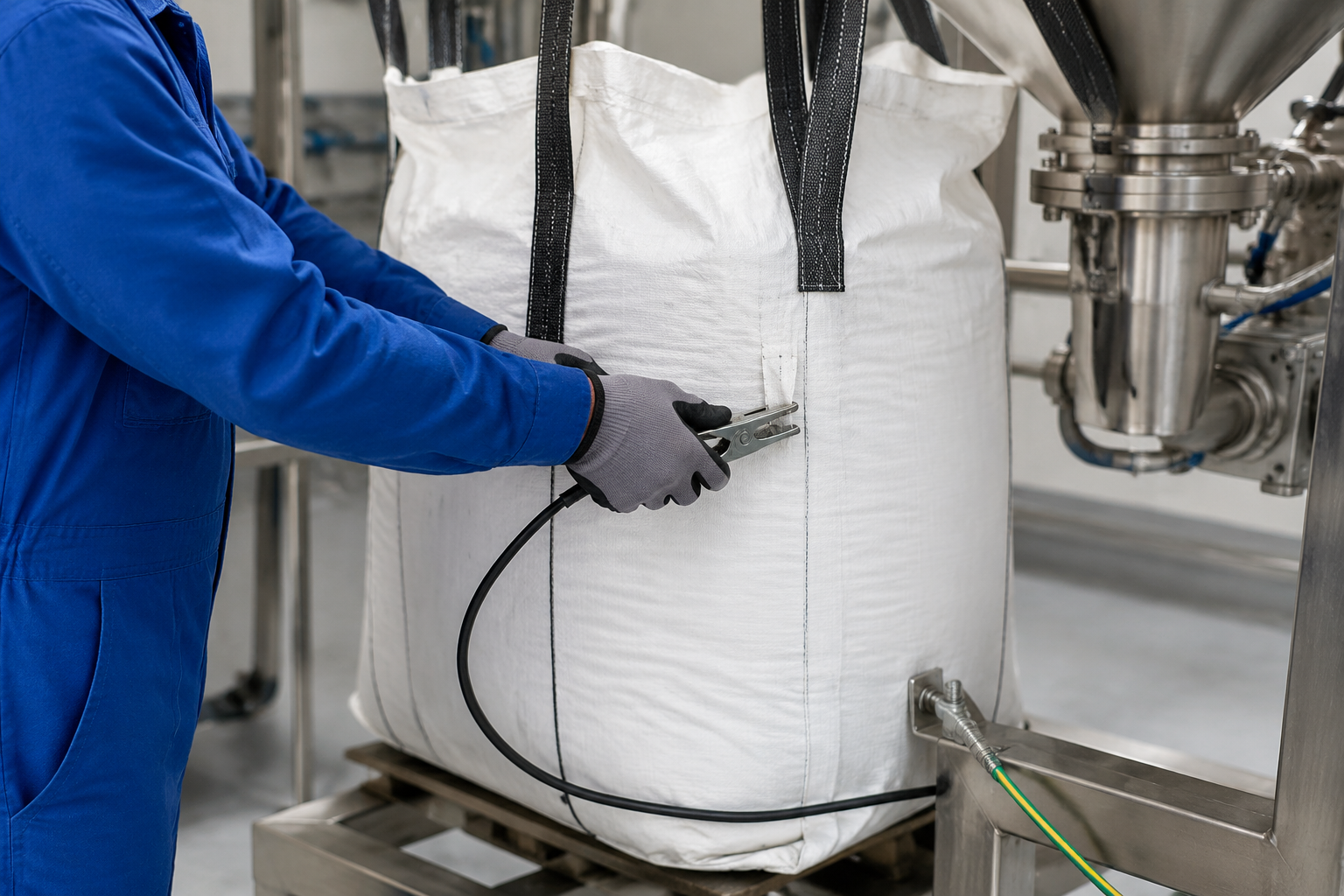
To ensure that your conductive bags perform optimally, follow these safety tips:
- Always test the grounding connection before filling the bag.
- Use ground verification devices to ensure proper discharge.
- Train staff on proper grounding and handling procedures.
- Never fill or discharge a conductive bag without grounding.
- Avoid using Type C bags with damage to conductive threads or grounding loops.
Proper training and procedure enforcement are key to maintaining the effectiveness of static control solutions.
Sustainability and Reusability Benefits
Modern conductive FIBC bags are not only safe—they’re also environmentally responsible. Many manufacturers design Type C bags for multiple reuse cycles, reducing waste and packaging costs over time. These bags are often made from recyclable polypropylene, further supporting eco-conscious industrial operations.
Conclusion
In operations where safety and efficiency are paramount, especially when dealing with flammable or static-sensitive materials, Conductive Bulk Bags (Type C FIBCs) are a game-changer. They eliminate the dangers of electrostatic discharge through smart engineering, durable design, and proper grounding mechanisms.
With benefits like enhanced safety, ESD compliance, product protection, and reusability, conductive FIBC bags are becoming the go-to solution for industries prioritizing static-free bulk storage and transportation. For specifications, customized structures, or a quotation, contact BulkBag B2B.
Looking for High-Quality Conductive Bulk Bags?
At RUNCHEN, we specialize in premium Conductive Type C FIBC Bags designed for maximum operational safety and compliance. Our bulk packaging solutions ensure your flammable and sensitive materials are stored and transported securely—without static risk.
Ready to upgrade your bulk packaging? Contact RUNCHEN today for a customized quote and expert advice on choosing the right static-free bulk packaging solutions.
Related News
Other news you might be interested in

Choosing the Right FIBC Bulk Bag: A Procurement Guide for Safer, More Reliable Packaging
Use this practical FIBC procurement guide to define your application, compare specifications and suppliers, verify compliance, and request a bag configuration that fits your operation.
Choosing the Right Bulk Bag Manufacturer for Safer, More Efficient Operations
Learn how to specify bulk bags, evaluate manufacturers, and validate quality and supply reliability to reduce operational risk and support safer, more efficient handling.
Want to know more?
Get in touch with us for more information about our services and products.