Industry News
Latest news, insights and updates from the FIBC and industrial packaging industry
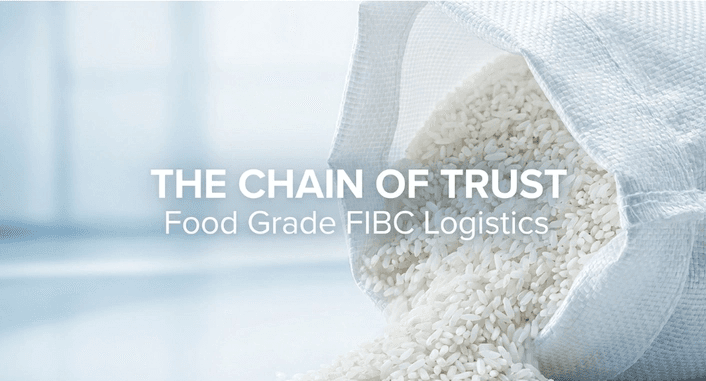
Food Grade FIBC Bags Guide: Certification Requirements, Material Standards, and Compliant Storage & Transportation
Food grade FIBC bags are bulk containers built to hold dry, edible products without contaminating them. They use controlled materials, hygienic production, and documented processes to meet food-contact rules.
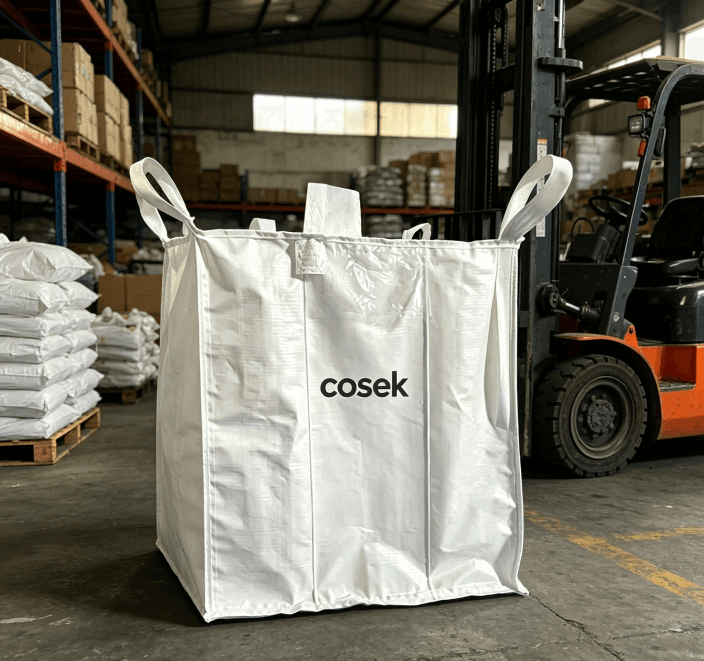
Top FIBC Bulk Bag Manufacturers in China in 2026
In 2026, global demand for industrial bulk packaging continues to grow. More businesses are looking to China for reliable FIBC bulk bag manufacturers that can deliver high-quality products at competitive prices. Chemical companies, mineral processors, agricultural suppliers, construction-material businesses, and international traders all need dependable factory partners that offer stable quality, fast delivery, and professional customization services.
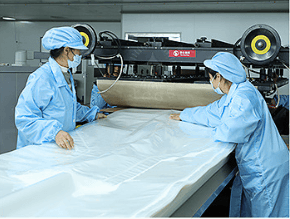
Ventilated FIBC Bags Gain Attention as Agricultural Exports Seek Better Moisture Control for Grains, Seeds and Feed
As global agricultural trade continues to expand, exporters of grains, seeds, feed ingredients and other dry bulk agricultural materials are paying closer attention to moisture control during storage and long-distance transportation. In response, ventilated FIBC bags are becoming an increasingly important packaging option, helping improve airflow, reduce condensation risk and support more stable delivery quality. For buyers handling different moisture-sensitive materials, packaging selection is shifting from simple load capacity toward a more detailed evaluation of ventilation, sealing, handling efficiency and export suitability.
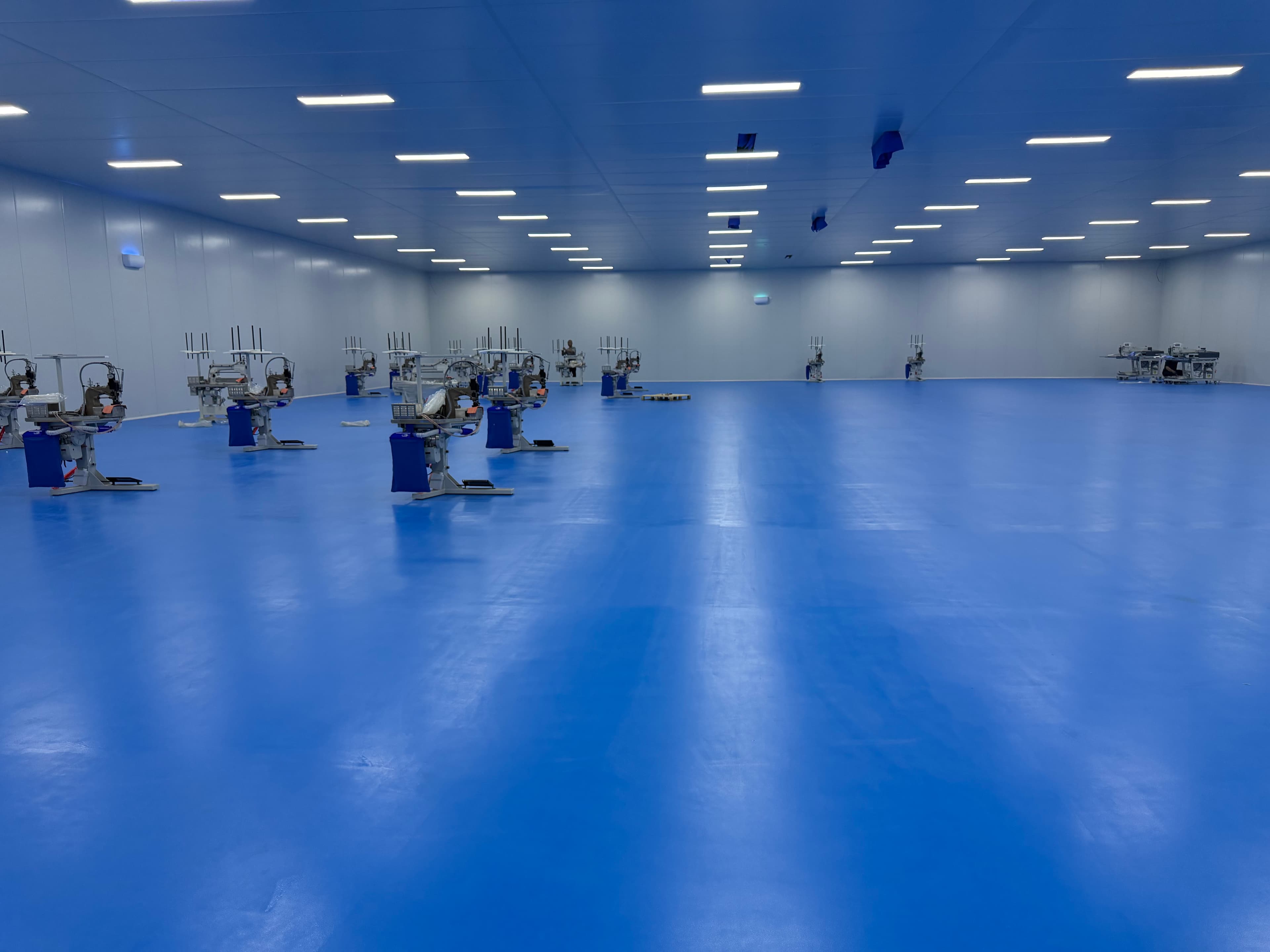
Next-Generation FIBC Bags: How Smart Design Helps Powder Exporters Reduce Moisture Risk and Cargo Loss
As global powder export trade continues to grow, FIBC bulk bags are evolving from traditional transport packaging into more functional supply chain protection solutions. For chemical powders, mineral powders, food ingredients, feed additives, and new energy materials, moisture, caking, bag breakage, leakage, and long-cycle transportation losses have become key challenges for exporters. Through moisture-proof liners, structural reinforcement, sealing design, and scenario-based selection, next-generation FIBC bags are helping powder exporters reduce cargo loss risk and improve cross-border delivery stability.
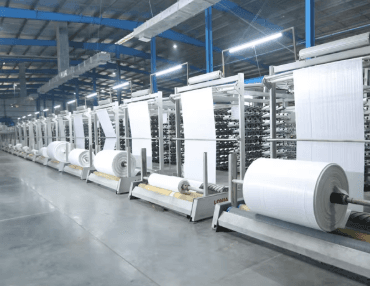
Climate-Ready Bulk Bag Design: How FIBC Bags Protect Powders Against Humidity, Heat, and Longer Shipping Cycles
As cross-regional transportation of chemical powders, mineral powders, food ingredients, feed additives, and new energy materials continues to increase, bulk bags are no longer just simple loading containers. They are becoming a critical part of product stability, cargo loss control, and supply chain safety. Facing humidity, high temperatures, temperature fluctuations, and longer ocean shipping cycles, climate-ready FIBC bulk bag design is becoming an important trend for both buyers and manufacturers.
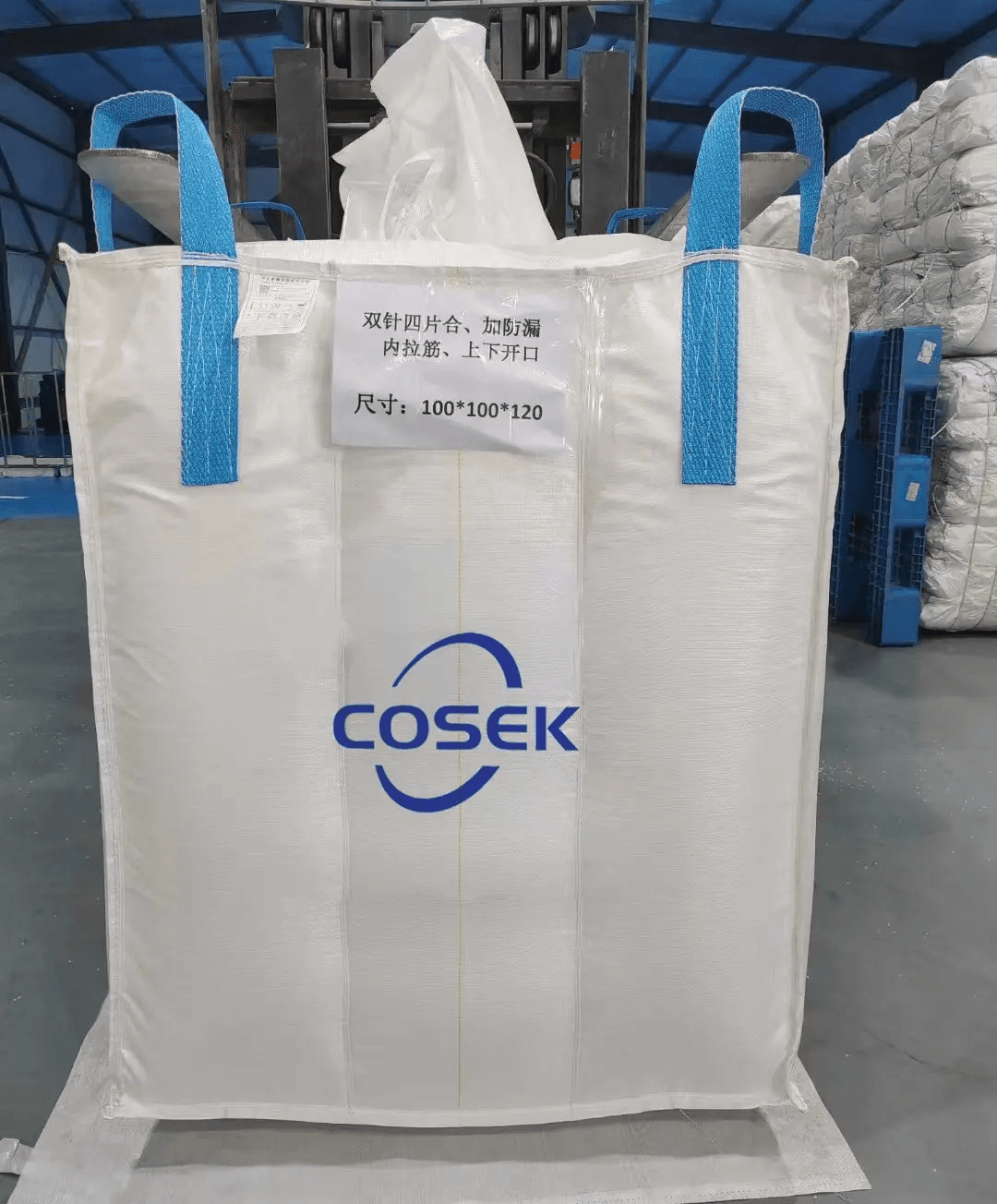
Export Packaging Upgrades for Construction and Mineral Materials: Abrasion-Resistant Bulk Bags Help Reduce Breakage Losses for Cement, Sand, and Mineral Powder
As global infrastructure construction, urban renewal, mineral resource trade, and building material exports continue to grow, cross-regional transportation of cement, sand, mineral powder, quartz sand, metal powders, and various construction additives is expanding steadily. For these high-density, abrasive, and dust-prone bulk materials, packaging breakage, leakage, moisture exposure, and handling losses have long been major pain points in export supply chains. Against this background, abrasion-resistant FIBC bulk bags are becoming an important packaging choice for the construction and mineral industries. Compared with ordinary woven sacks or small packaging, abrasion-resistant bulk bags offer stronger load capacity, better tear resistance, suitability for forklift and lifting operations, and easier container transportation. For exporters, upgrading bulk bag packaging can not only reduce breakage losses, but also improve warehousing efficiency, lower rework costs, and strengthen overseas customers’ confidence in delivery stability.
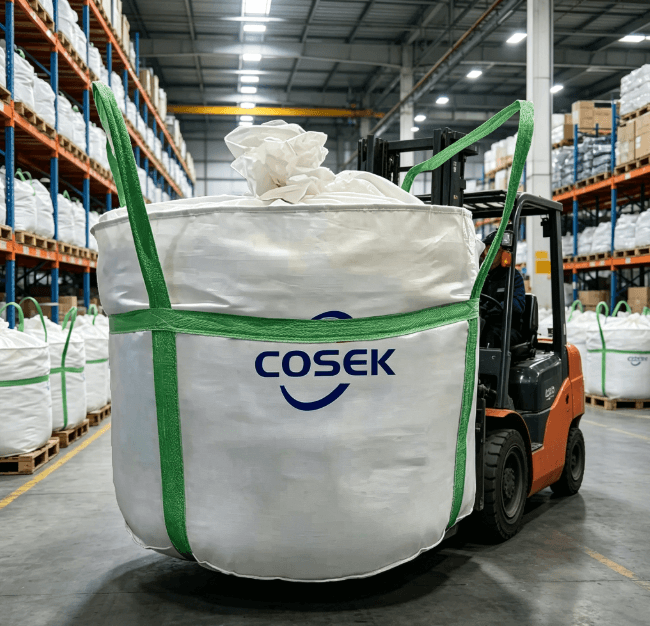
2026 FIBC Market Growth: Chemical, Fertilizer and Food Supply Chains Drive Rising Demand for Safe Bulk Bag Packaging
In 2026, the global FIBC market continues to show steady growth. Public industry research indicates that sectors such as chemicals, fertilizers, food processing, agricultural raw materials, and construction materials are driving stronger demand for high-strength, safe, and customizable bulk bag packaging. Compared with traditional small bags or ordinary woven sacks, FIBC bulk bags offer larger loading capacity, easier forklift and lifting operations, better suitability for container transportation, and flexible options such as inner liners and leak-proof structures. As overseas buyers place greater emphasis on transportation safety, food hygiene, packaging labeling, batch traceability, and export compliance, bulk bag purchasing decisions are shifting from price-focused selection to a broader evaluation of safety factors, material stability, bag structure, sealing performance, and application suitability.
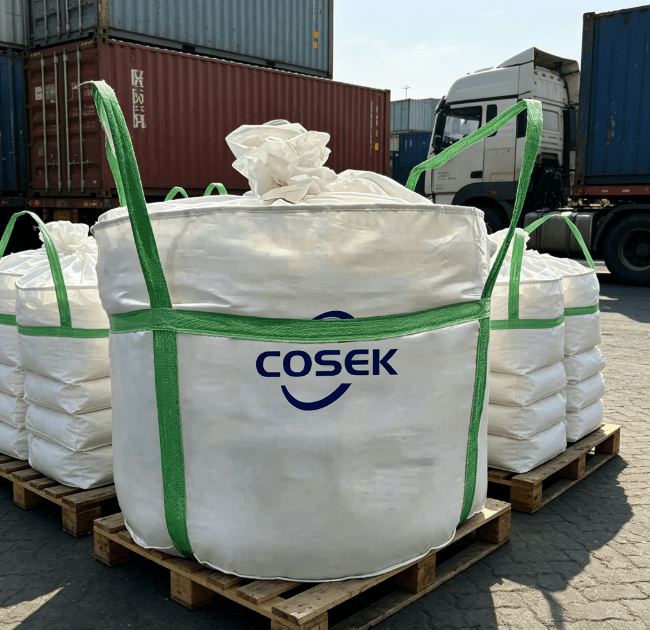
Global Buyers Promote Low-Carbon Industrial Packaging as Demand for Recyclable Polypropylene Bulk Bags Continues to Rise
As global manufacturing, chemical, agricultural, food ingredient, and mineral supply chains accelerate their shift toward low-carbon procurement, recyclable polypropylene bulk bags are evolving from traditional bulk packaging materials into an important part of green supply chain management. Public market research indicates that the FIBC market is expected to maintain steady growth over the next decade. Among different packaging options, recyclable, reusable, easy-to-handle, and export-friendly PP woven bulk bags are becoming a key focus for international buyers. For export-oriented companies, choosing the right FIBC packaging is no longer only about loading capacity and transportation safety. It also affects how customers evaluate a supplier’s environmental responsibility, cost control capability, and long-term supply stability.
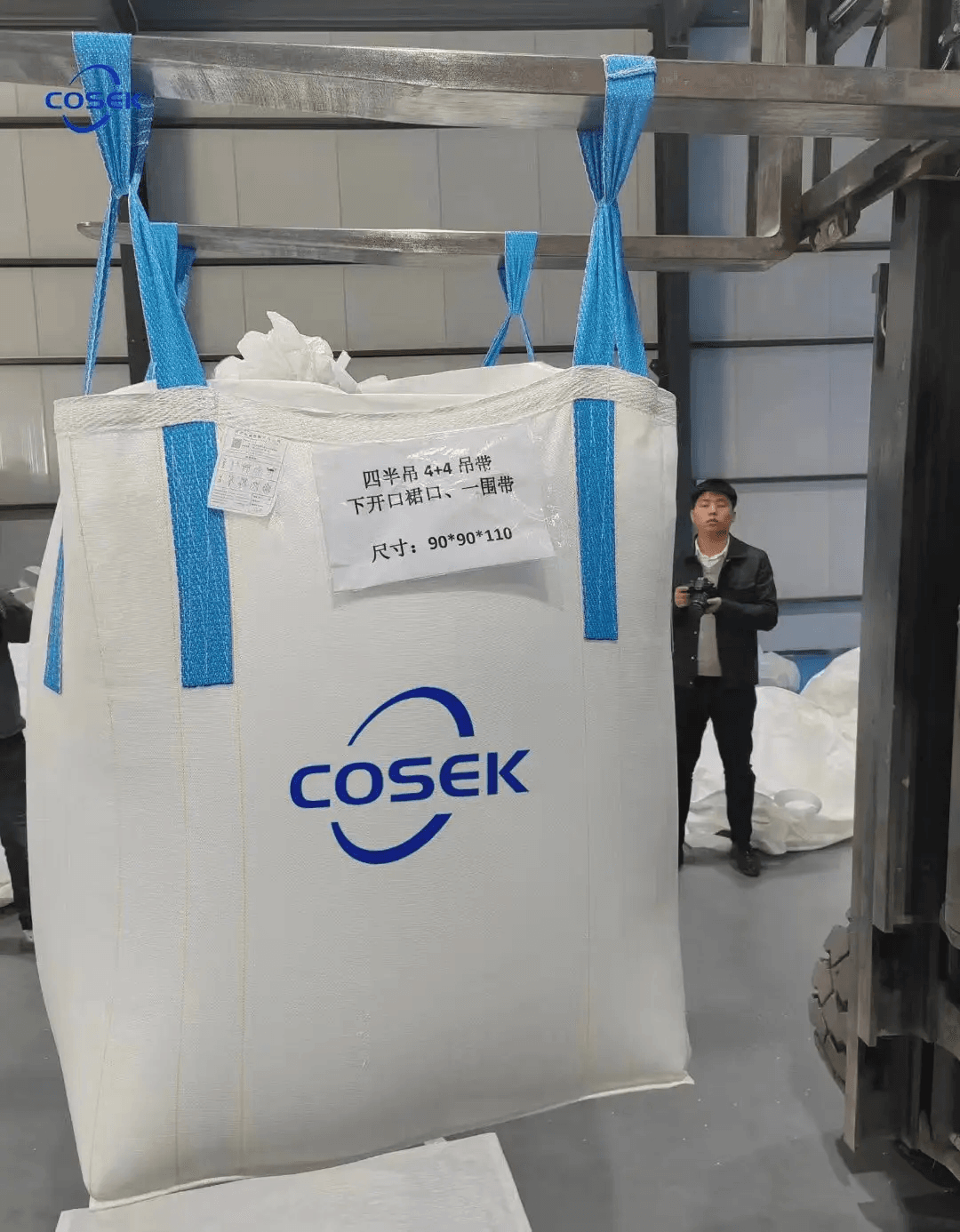
Lithium Battery Materials Transport Drives Demand for High-Purity Anti-Static FIBCs: Ultra-Fine Dust Sealing Becomes Core Indicator
Driven by the global new energy industry boom, lithium battery cathode materials, graphite powder, lithium carbonate and other ultra-fine powder shipments continue to grow rapidly, putting forward higher requirements for bulk packaging in terms of electrostatic safety, dust sealing and purity protection. According to industry data, the global demand for anti-static FIBCs for lithium battery materials will maintain a growth rate of over 18% from 2026 to 2028, among which Type C conductive FIBCs with high-sealing inner liners have become the mainstream choice for high-end procurement. This article analyzes the technical challenges faced by lithium battery materials transportation and the upgrading direction of FIBC products, and introduces COSEK's corresponding packaging solutions.
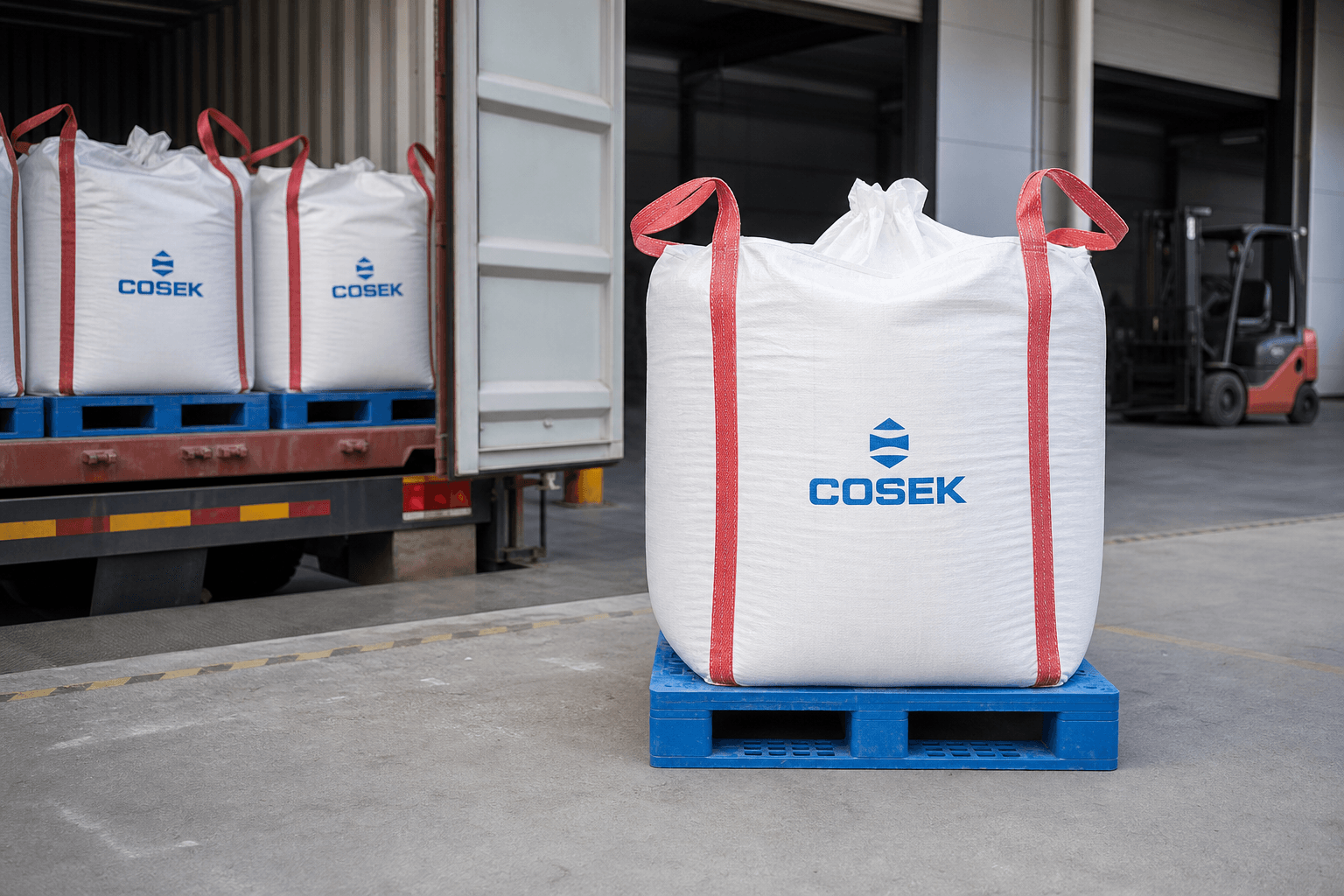
Food and Chemical Industries Drive Demand for High-Standard Bulk Bags as Moisture-Proof Liners and Traceable Packaging Continue to Rise
As demand grows for the transportation of food ingredients, fine chemicals, powdered materials, and export-oriented bulk goods, bulk bag purchasing standards are shifting from “basic load-bearing capacity” to “cleanliness, moisture protection, safety, and traceability.” Food manufacturers are paying more attention to material compliance, contamination control, and moisture resistance, while chemical companies place greater emphasis on sealing performance, leak prevention, static control, and batch management. Against this background, FIBC bulk bags with inner liners, food-grade materials, leak-proof structures, and customizable labeling are becoming an important direction for packaging upgrades across the industry.
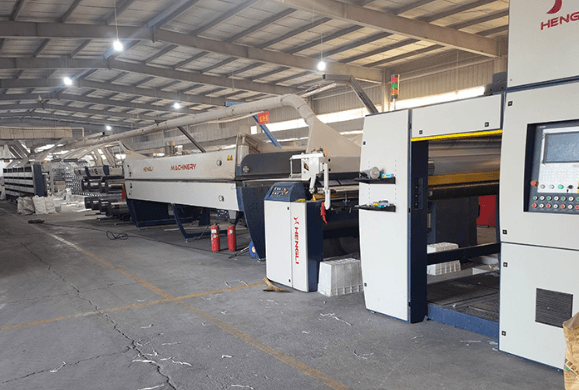
Chemical Powder Transport Safety in 2026: Why Conductive FIBC Bulk Bags Are Becoming Essential for New Energy and Fine Chemical Materials
This article discusses why conductive FIBC bulk bags are becoming increasingly important for chemical powder transportation in 2026. As demand grows in new energy materials, fine chemicals, additives, and industrial powders, companies are paying more attention to static electricity control, transport safety, and customized packaging. The article explains how Type C conductive bulk bags help reduce static accumulation through proper grounding and introduces BulkBag B2B’s Conductive Ton Bag as a suitable packaging solution for chemical powders, resin granules, mineral powders, carbon black, coating powders, and related materials.
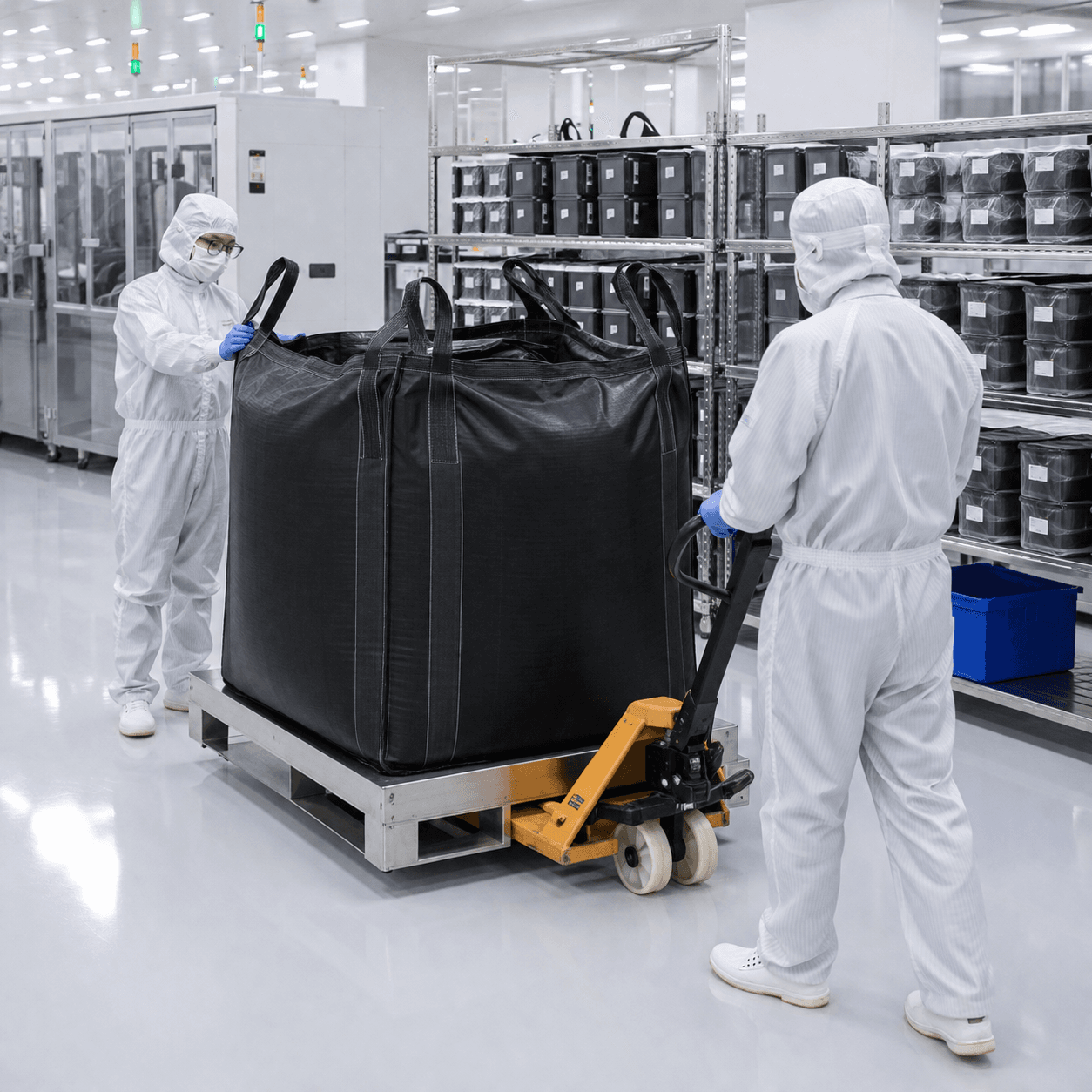
Rising Demand for Anti-Static and Conductive Bulk Bags: New Energy and Chemical Bulk Transport Drives Global Safety Standard Upgrades in 2026
Explosion-Proof Demand for High-Risk Powder Storage & Transportation Surges, COSEK Anti-Static FIBC Series Meets New Global Industry Compliance Requirements