Industry News
Latest news, insights and updates from the FIBC and industrial packaging industry
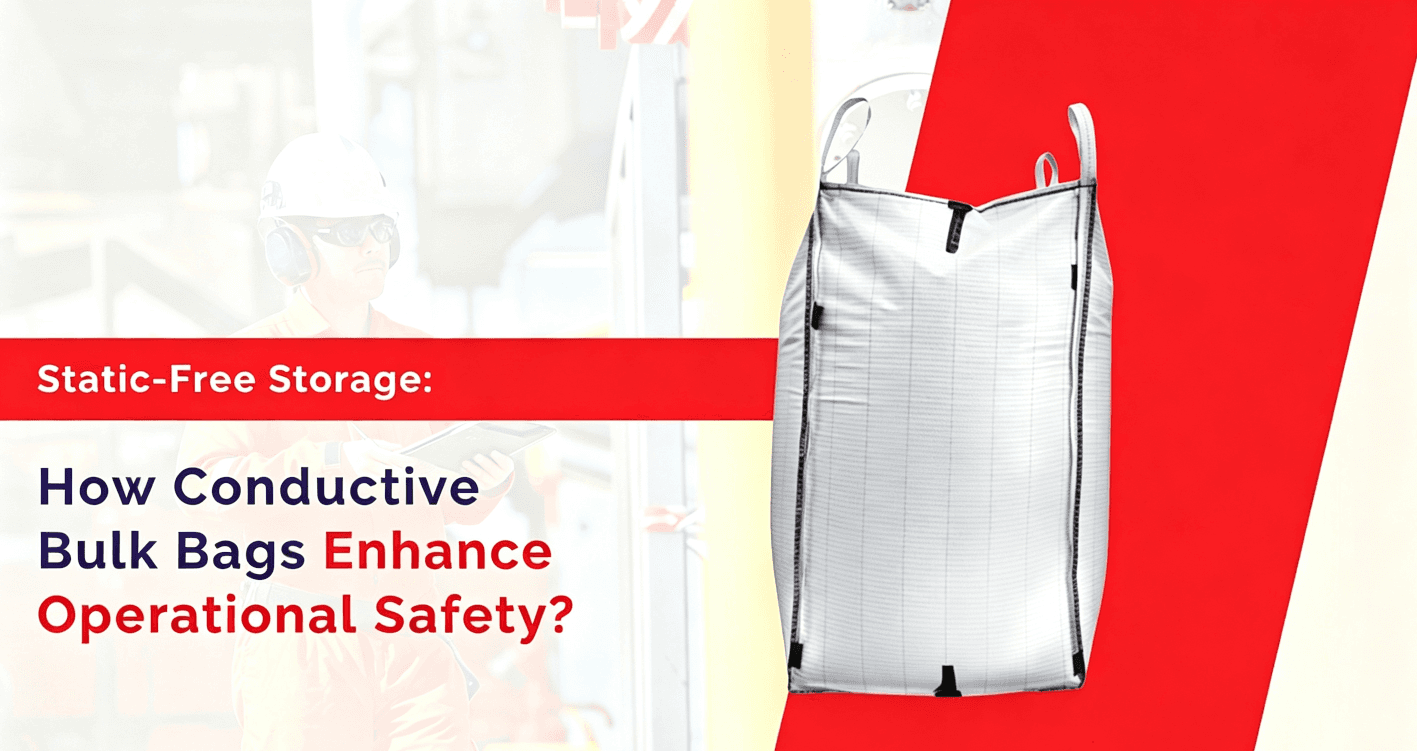
Conductive Bulk Bags: Static-Free Storage for High-Risk Industrial Environments
In today’s high-paced industrial and manufacturing sectors, safety isn’t just a priority—it’s a necessity. When dealing with flammable powders, volatile materials, or environments susceptible to static electricity, using the right packaging solution can mean the difference between smooth operations and hazardous incidents. That’s where Conductive Bulk Bags, also known as Type C FIBC Bags, come into play. Designed specifically for environments with electrostatic discharge (ESD) risks, conductive FIBC bags offer static-free storage and transport solutions for sensitive and flammable materials. In this blog, we’ll explore how conductive bags work, why they’re essential for operational safety, and what industries benefit the most from using them.
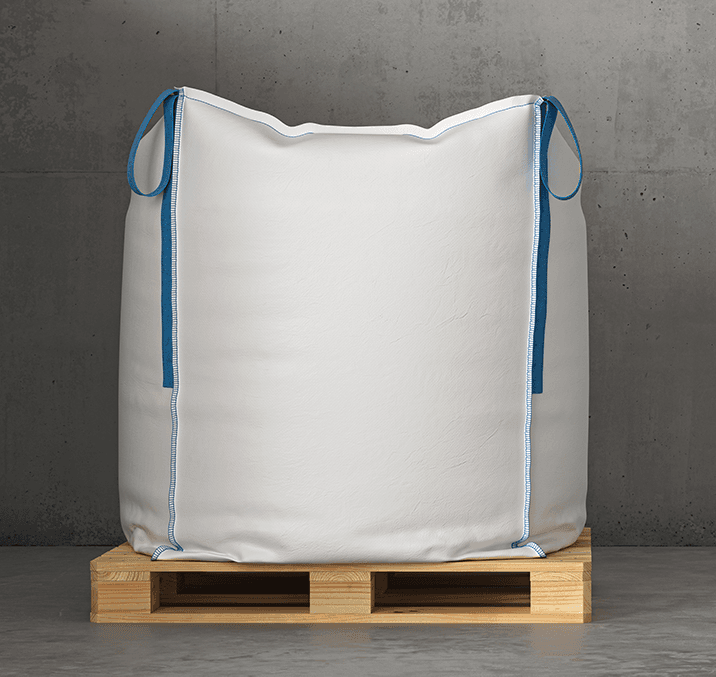
A Guide For Buying FIBCs (Flexible Intermediate Bulk Containers)
FIBCs or Flexible Intermediate Bulk Containers are a type of large, flexible container typically used to transport and store bulk and large quantities of dry and flowable materials such as grains, powders, and granules. FIBCs go by many different names and can also be known as bulk bags, big bags, jumbo bags, and tote bags.
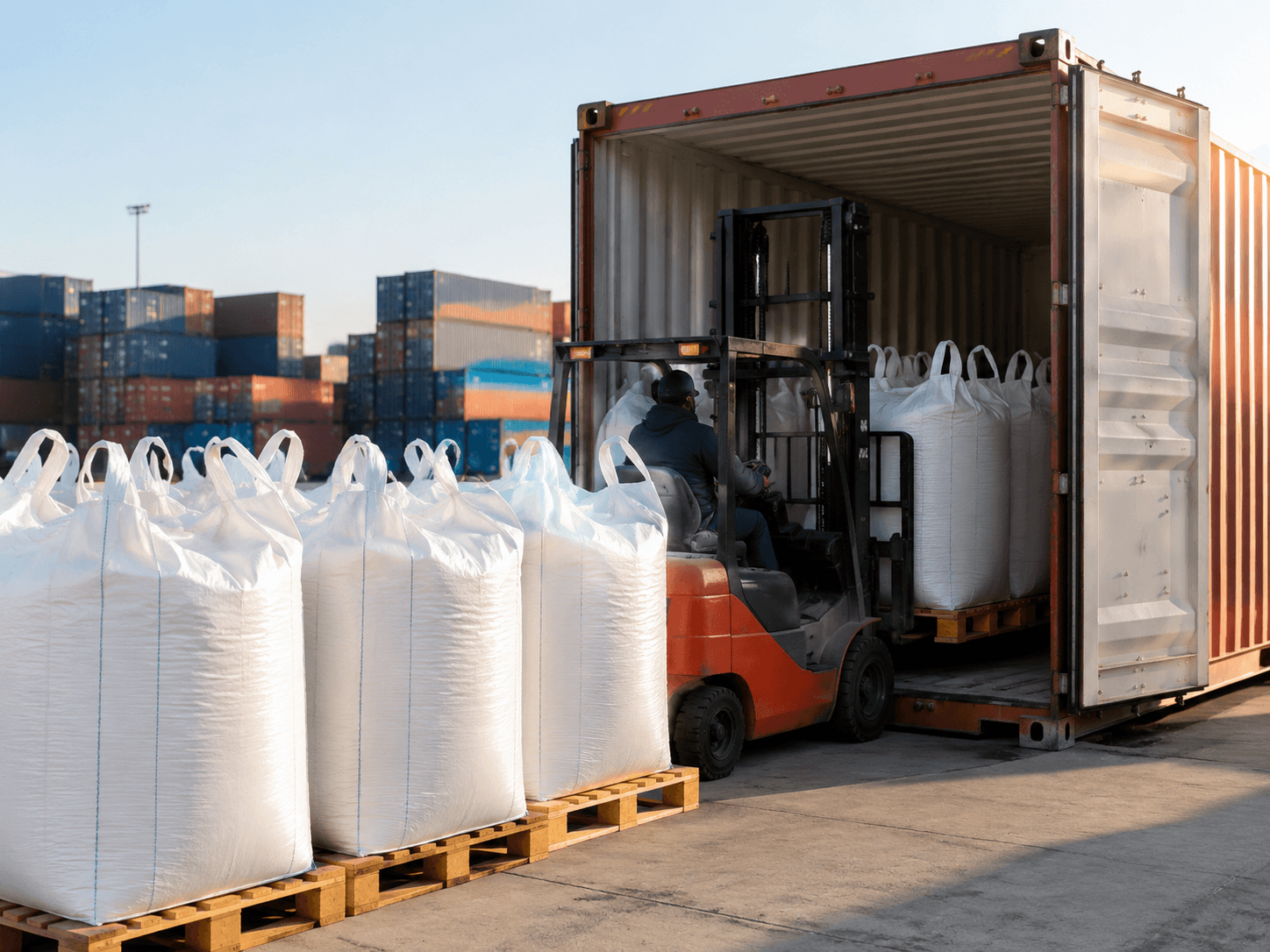
FIBC Bulk Bag Buying Guide: How to Choose the Right FIBC Bulk Bag for Your Material
Choosing the right FIBC bulk bags is not simply a matter of size and price. The bag must match your material properties, filling and discharge equipment, storage conditions, handling method, and transport-compliance requirements. A poor selection can lead to leakage, moisture damage, dust emissions, unstable stacking, inefficient handling, electrostatic hazards, or non-compliance in hazardous-material transport.

Reducing Packaging Waste and Costs with the Right FIBC Size
The challenges of packaging waste management have grown increasingly complex for industries relying on bulk material transport. Selecting the correct Flexible Intermediate Bulk Container (FIBC) size represents one of the most impactful yet often overlooked opportunities for waste reduction and cost savings across your supply chain. With growing environmental pressures and tightening operational budgets, optimizing FIBC sizing delivers both ecological and financial benefits that progressive companies cannot afford to ignore.
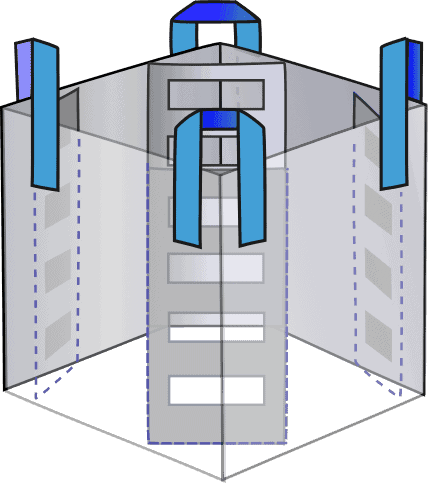
FIBC Baffle Bags: Comprehensive Overview
FIBC baffle bags are bulk bags with internal fabric panels sewn into their four corners. When you fill the bag, those panels act as tension straps that prevent the sides from bulging outward, forcing the container to hold a square or near-square shape. The result is a bag you can stack cleanly, pack tightly onto pallets, and fit more of into a shipping container, typically around 20 to 30% more product in the same footprint compared to a standard FIBC.Below, we’ll break down the three main baffle bag constructions (U-panel, circular, and 4-panel), explain where baffle FIBCs deliver real advantages over standard bulk bags, and help you decide whether the premium is worth paying for your operation.
Why Pharma Grade FIBC And Chemical Grade FIBC Bags Are Essential For Pharmaceutical Ingredients?
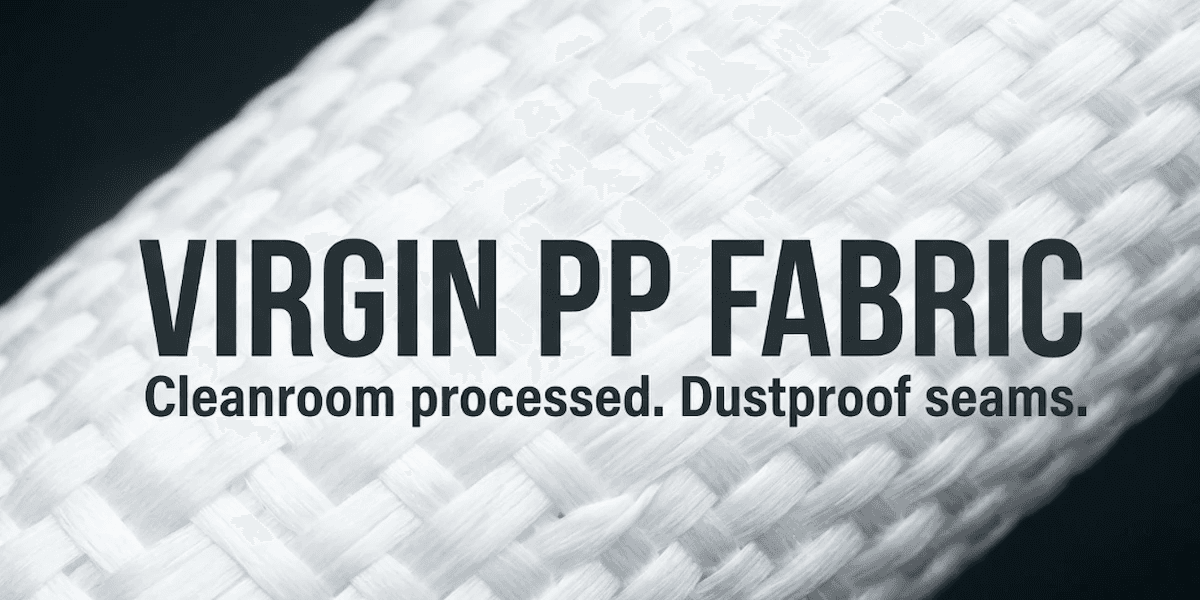
Pharmaceutical ingredients require stricter bulk packaging because even minor contamination, moisture exposure, or static discharge can affect product quality and safety. Proper packaging helps maintain purity, improve traceability, and reduce handling risks during filling, storage, and transport.
What Is a Ventilated FIBC Bag?
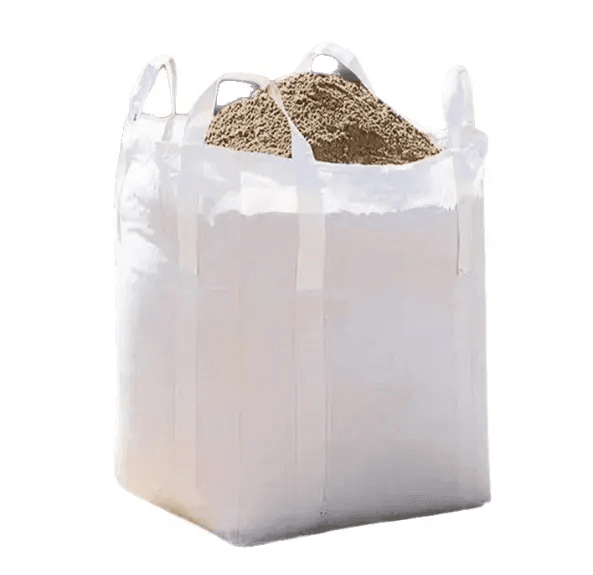
Ventilated FIBC bags, also known as ventilated bulk bags or fibc ventilated bags, are large, breathable packaging containers designed to keep products like fruits, vegetables, grains, and wood logs fresh during storage and transport. In short, they are Flexible Intermediate Bulk Containers (FIBCs) made with ventilated fabric that allows continuous air circulation, preventing moisture buildup and maintaining the quality of perishable goods. These ventilated FIBC bags are a practical solution for industries that deal with natural, organic, or moisture-sensitive materials. For the most demanding handling requirements, you can explore our full collection of FIBC BIG BAG products.
Types of Closures for Bags: Understanding Different FIBC Bottom Designs
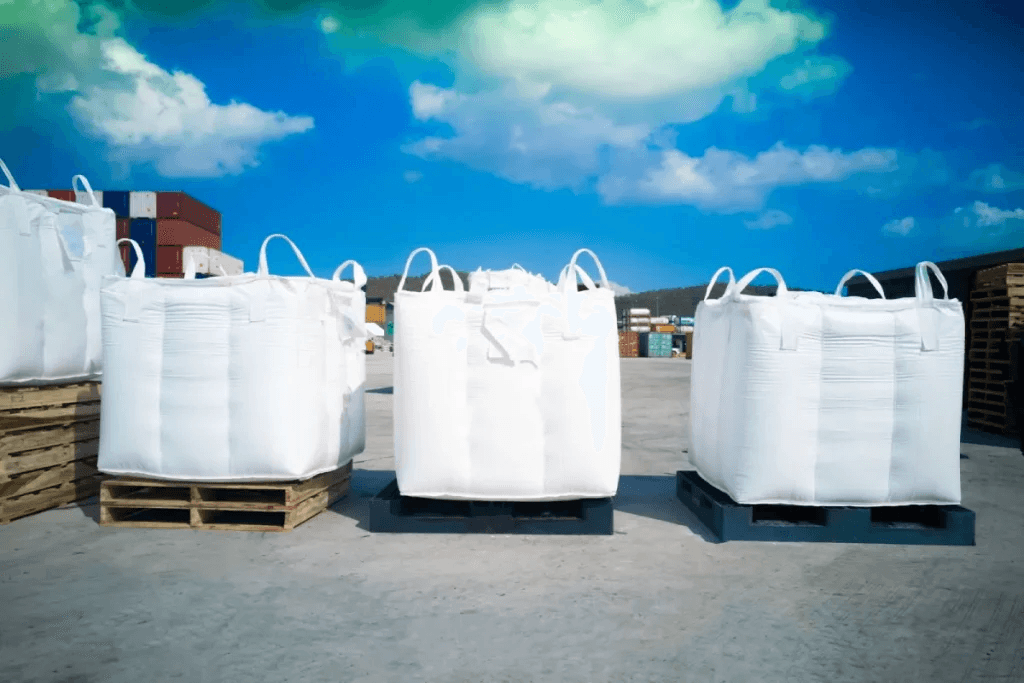
Types of closures for bags refer to the different ways an FIBC (Flexible Intermediate Bulk Container) or bulk bag is sealed and emptied. The closure determines how securely materials are stored and how efficiently they can be discharged. Choosing the right bottom design is crucial for preventing spillage, contamination, or material loss.
2026 Market Insight: 4-Loop FIBC Bags Trends & Applications
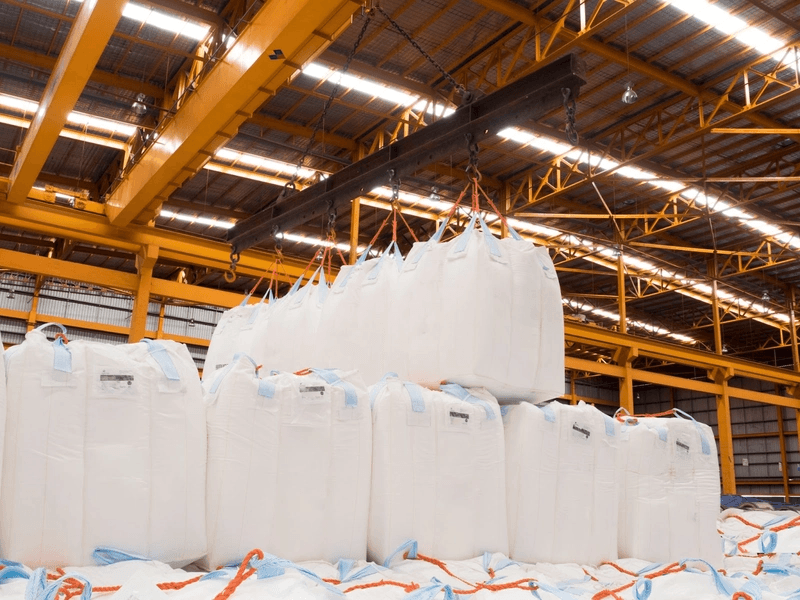
The global bulk packaging industry is moving toward stronger, safer, and more sustainable solutions. In simple terms, the 4-loop fibc market reflects how industries now move large volumes of materials with fewer risks, lower costs, and better efficiency. This article explains what these bags are, where demand is growing, and how buyers can benefit from long-term sourcing decisions in fertilisers, construction, and chemicals.

Packaging Bag Manufacturer: What B2B Buyers Should Know Before Placing an Order
As you look for reliable bulk packaging for laundry detergents, make sure to prioritize essentials like moisture-proof materials and the manufacturer’s production scale. Below are the main factors to consider when choosing a packaging bag manufacturer for your business.
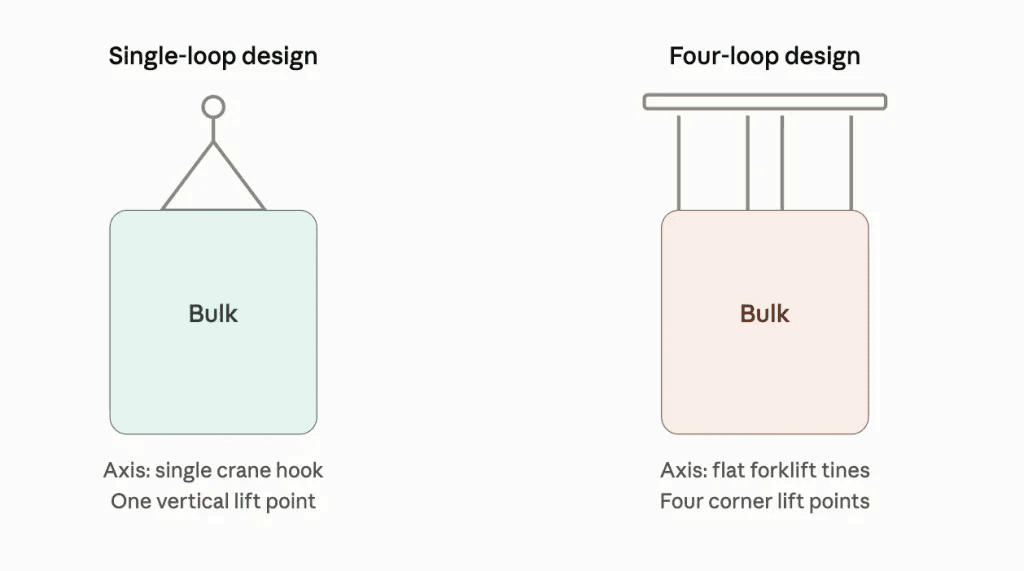
Single-Loop vs. Four-Loop FIBC Bags: Lifting Method Selection and Safety Precautions
Single loop FIBC bags concentrate lifting force into one integrated point for fast, one-person crane operation. Four-loop bags distribute weight across four corners for forklift stability. The right choice depends on your handling equipment, product density, and regional shipping infrastructure.

Flexible Packaging Manufacturer: How to Choose the Right Partner for Powder Products
Choosing the right flexible packaging manufacturer starts with matching three things: powder handling experience, protective barrier design, and proven service support. Powders leak, absorb moisture, and pick up contamination faster than most materials. This guide shows engineers and buyers how to weigh those factors and avoid expensive rework.