Industry News
Latest news, insights and updates from the FIBC and industrial packaging industry
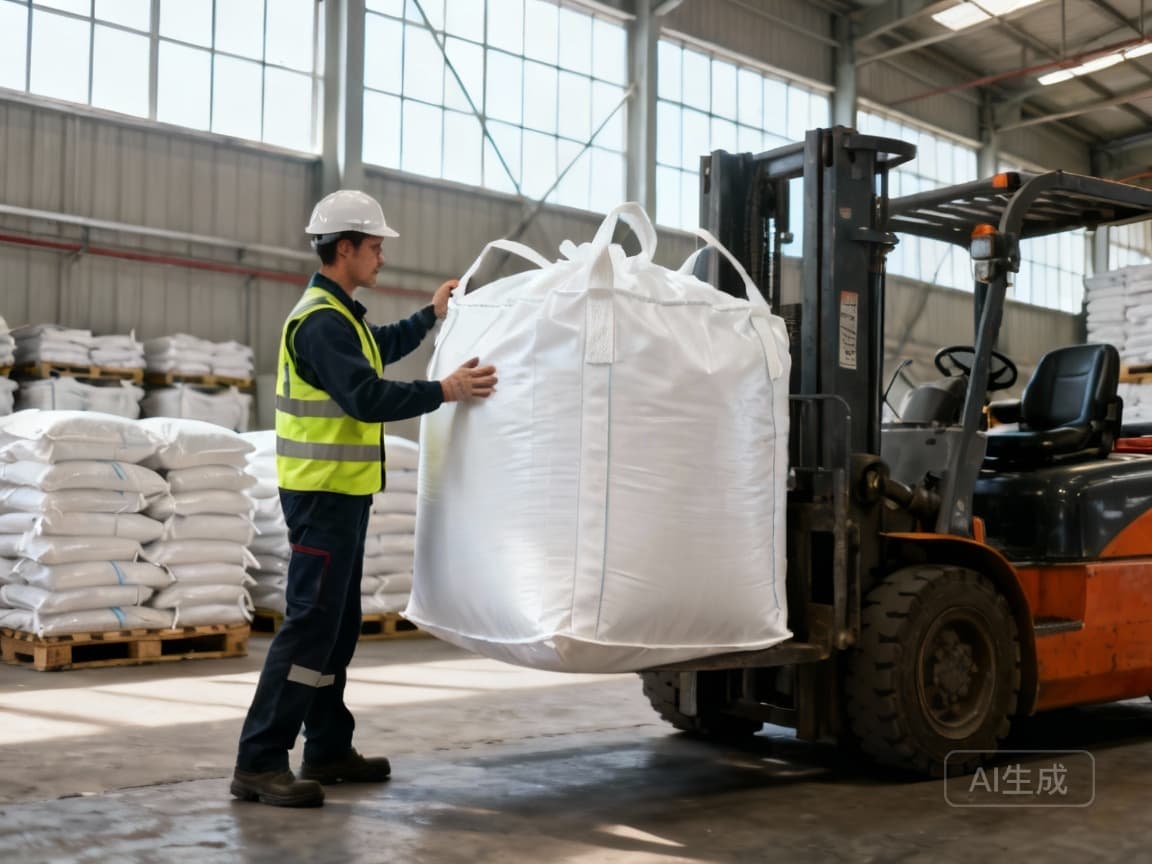
FIBCs: From Cost to Asset, Drive 7.7% Growth in Circular Packaging
The global mono-material packaging market, valued at $3.94B in 2024, is growing at 7.7% CAGR. Strategic FIBC design shifts this container from a cost center to a circular economy asset, aligning with recyclability demands and EPR regulations.
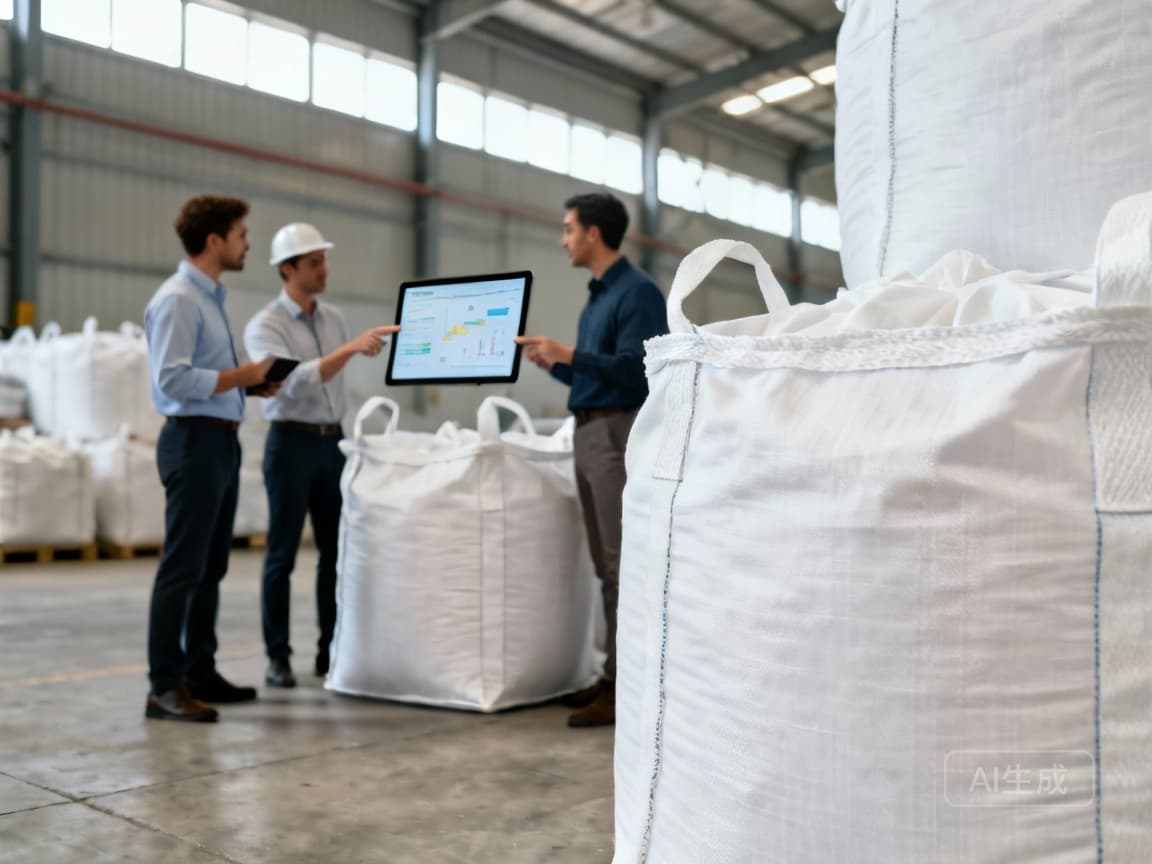
Single material ton bag: EPR compliance and circular economy strategy driving 7.3% market growth
The global mono-material FIBC market is projected to grow at a 7.3% CAGR to $5.63B by 2029, driven by stringent EPR regulations and brand mandates. This shift transforms bulk bags from a cost center into a strategic asset for compliance and supply chain resilience.
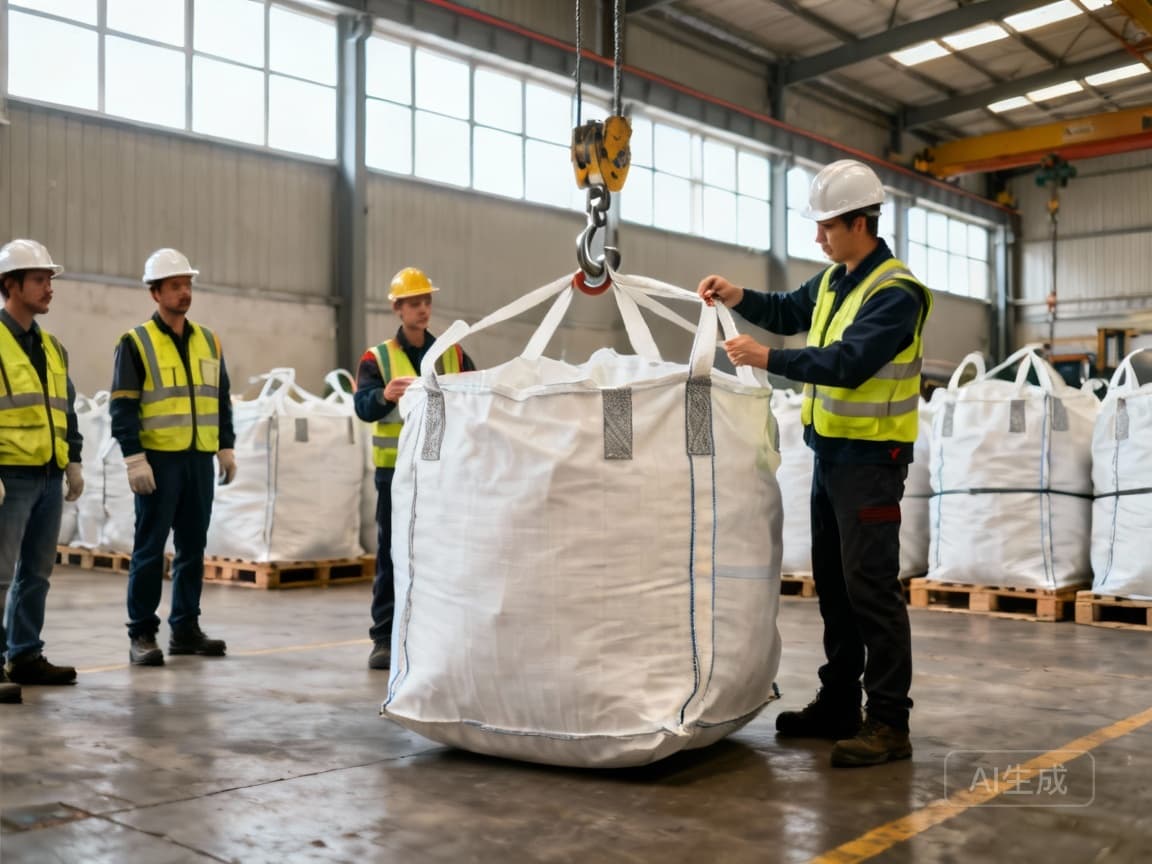
Beyond Cost: Quantify FIBC's Hidden Risk & Sustainability ROI
Shift from unit cost to total cost of ownership. A single FIBC failure risks production halts & contamination. With the market at $3.94B, strategic management mitigates hidden operational risks and aligns with sustainability goals, turning packaging into a value driver.
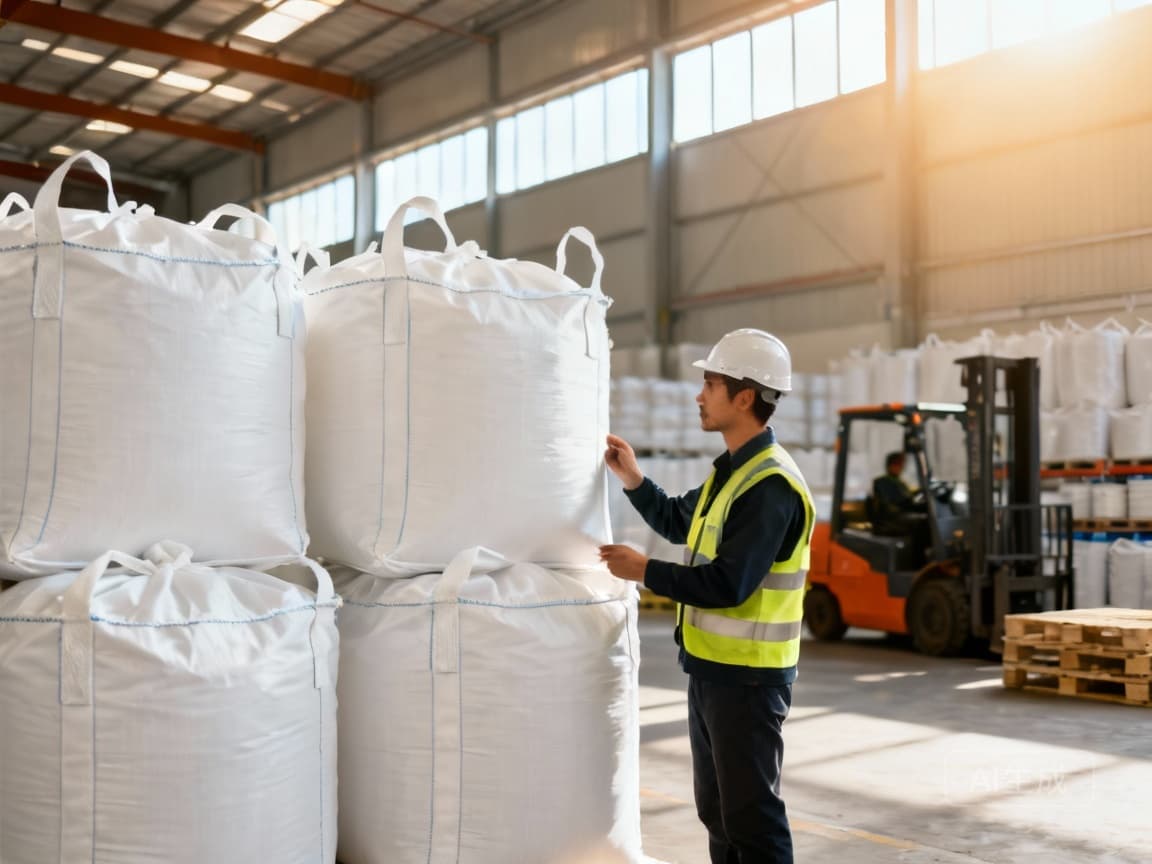
FIBCs: Drive 7.7% Market Growth & Transform Your Supply Chain Value
The global mono-material FIBC market is projected to grow from $39.4B in 2024 to $56.3B by 2029 (CAGR 7.3%). This shift transforms FIBCs from cost-saving containers into strategic drivers for sustainable supply chains and ESG compliance.
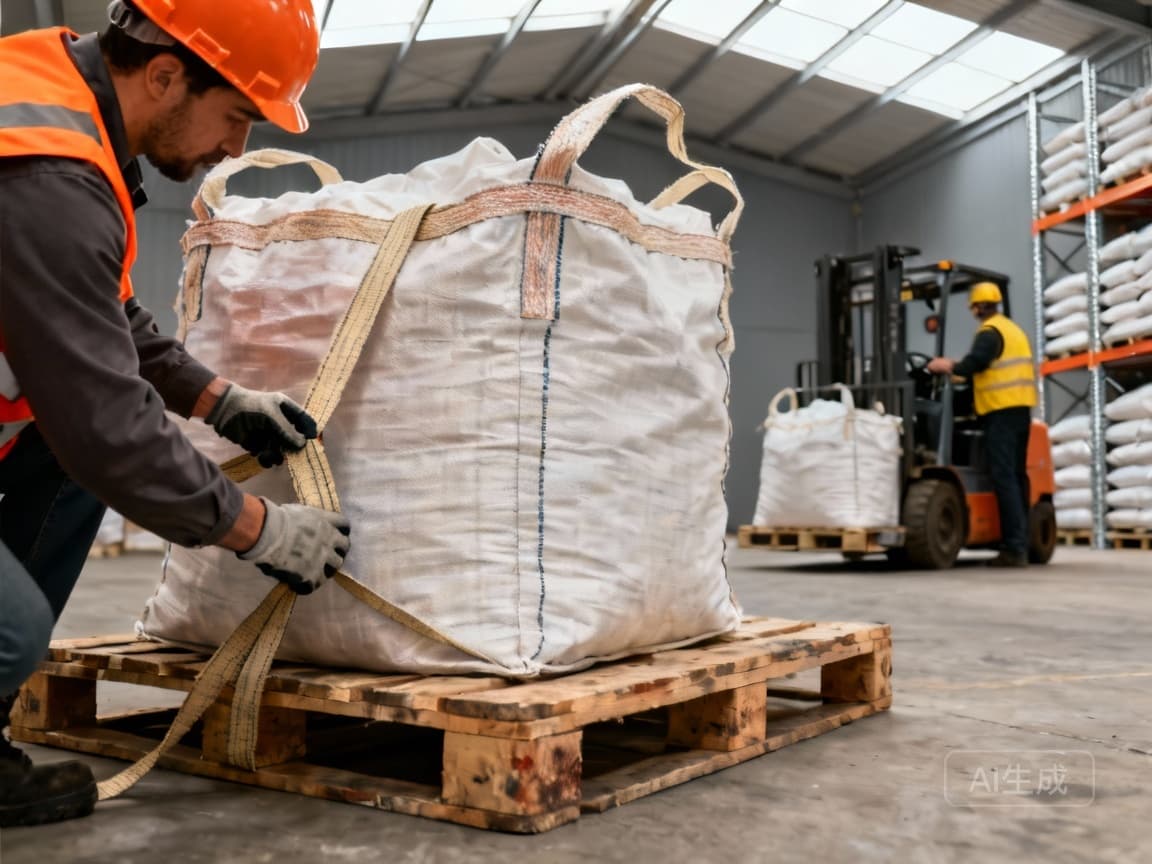
2025 FIBC Procurement Guide: 7 Questions to Transform Sustainability into 30% Recovery Increase
The global mono-material FIBC market is projected to reach $4.24B in 2025 (CAGR 7.7%). Strategic procurement, guided by 7 key supplier questions on material compatibility, can transform sustainability from a buzzword into a 30%+ boost in real-world recycling rates.
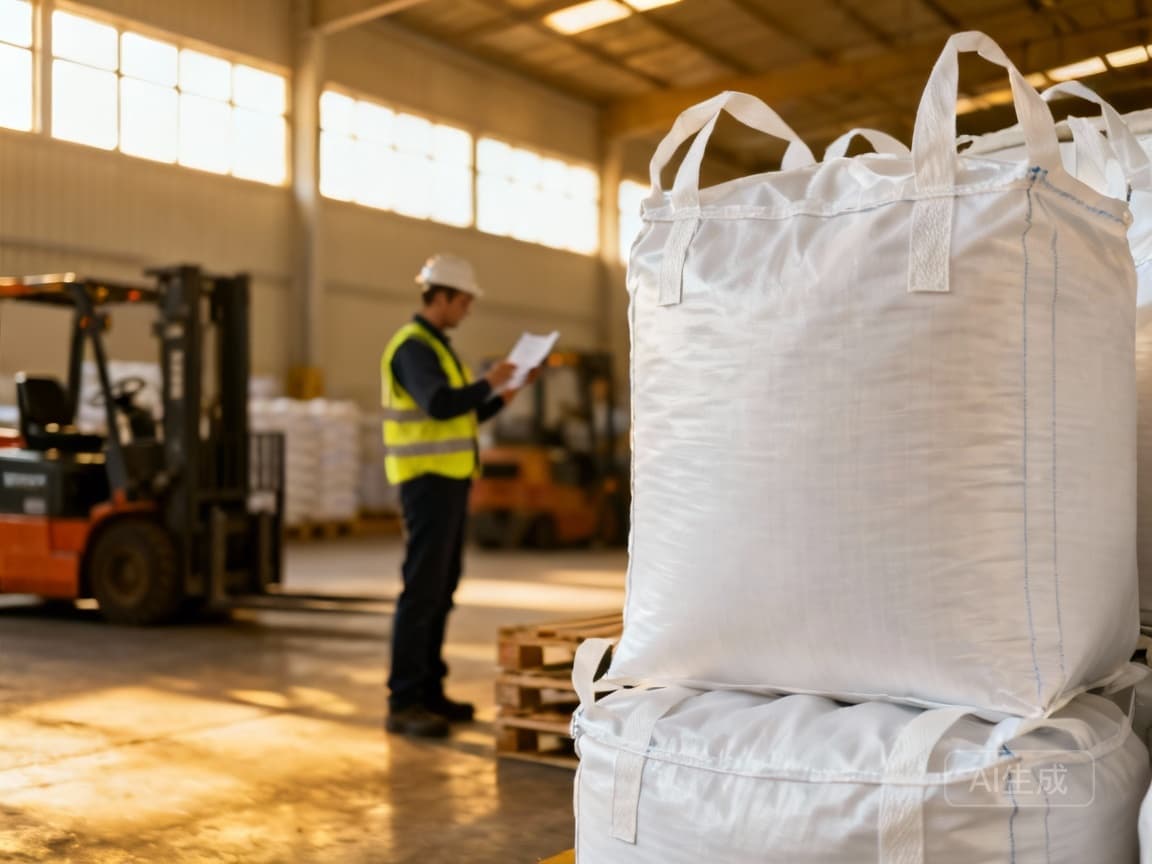
Transform FIBC Bags: Drive 7.7% Market Growth & Unlock ESG Value
The mono-material FIBC market is projected to reach $42.4B in 2025, growing at 7.7% CAGR. Transitioning to recyclable PP designs transforms packaging from a cost center into a driver for market access, supply chain resilience, and ESG compliance.
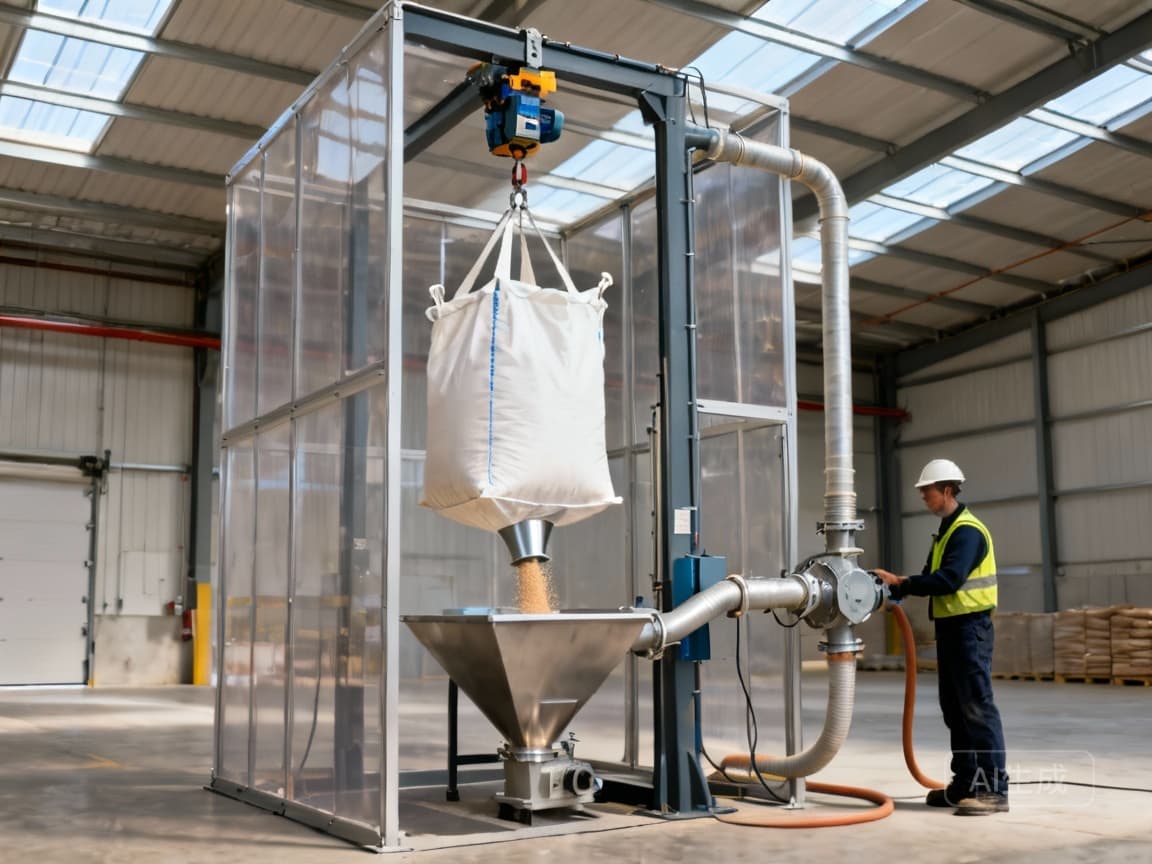
Beyond Cost: 80% FIBC Failures Stem From Unsafe Operations
80% of FIBC failures are caused by unsafe handling, not product defects. Case studies show that implementing basic operational safety guidelines is critical for preventing incidents, reducing costs, and ensuring true supply chain efficiency.
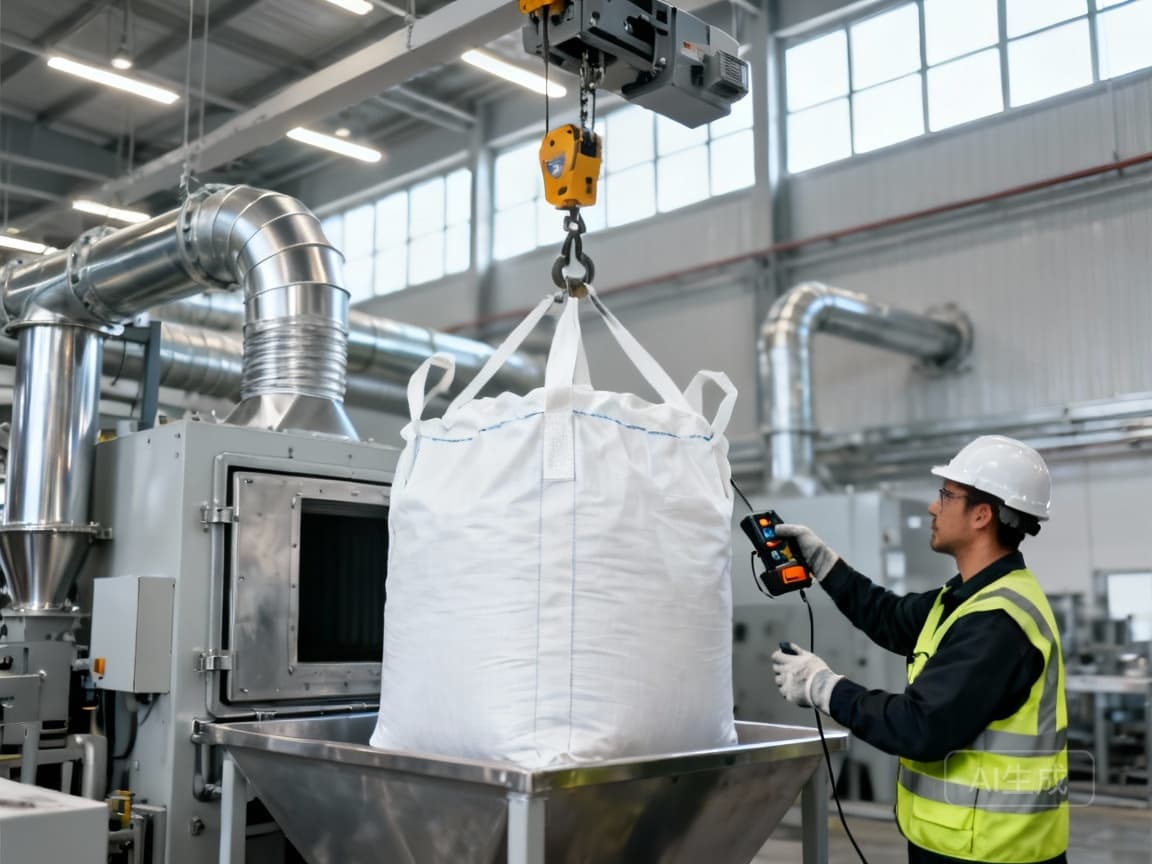
Transform FIBC Bags into Strategic Assets: Boost Efficiency & Enable Circularity
Move beyond viewing FIBCs as disposable costs. By managing them as strategic assets, companies unlock operational efficiency and circularity. The market, projected to reach $56.3B by 2029, validates this shift. Custom solutions like integrated discharging stations enable dust-free, automated material flow, transforming FIBCs into optimized process connectors.
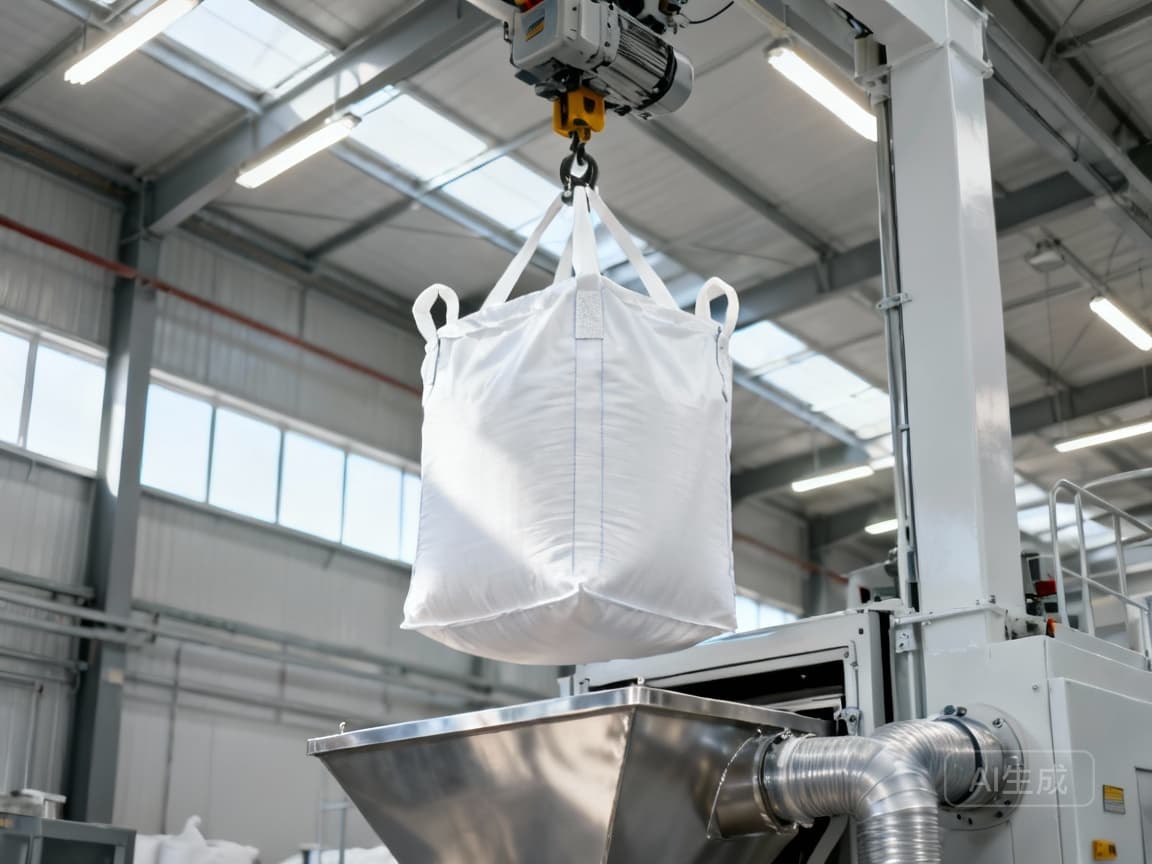
Ton Bag Evolution: From Container to Value Hub in Sustainable Supply Chains
Ton bags are evolving from simple containers into strategic value hubs. Driven by the $5.63B mono-material packaging market (7.3% CAGR), they now validate brand sustainability promises and optimize supply chain integrity from the first mile.
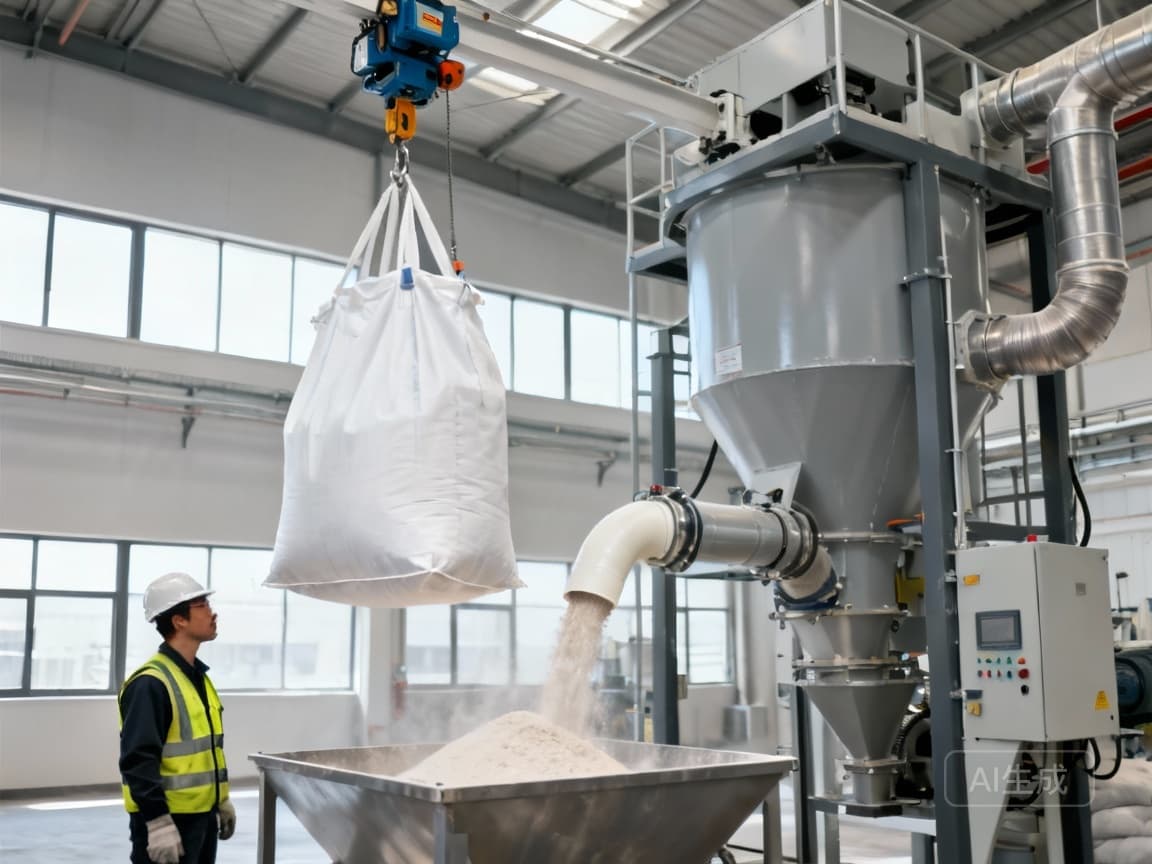
Unlock 30% System Efficiency: Integrate FIBCs into Your Production Flow
Move beyond commodity FIBC purchasing. Integrating bulk bags as system nodes, with solutions like automated unloading stations, can unlock over 30% operational efficiency by eliminating discharge issues like dust and product loss.
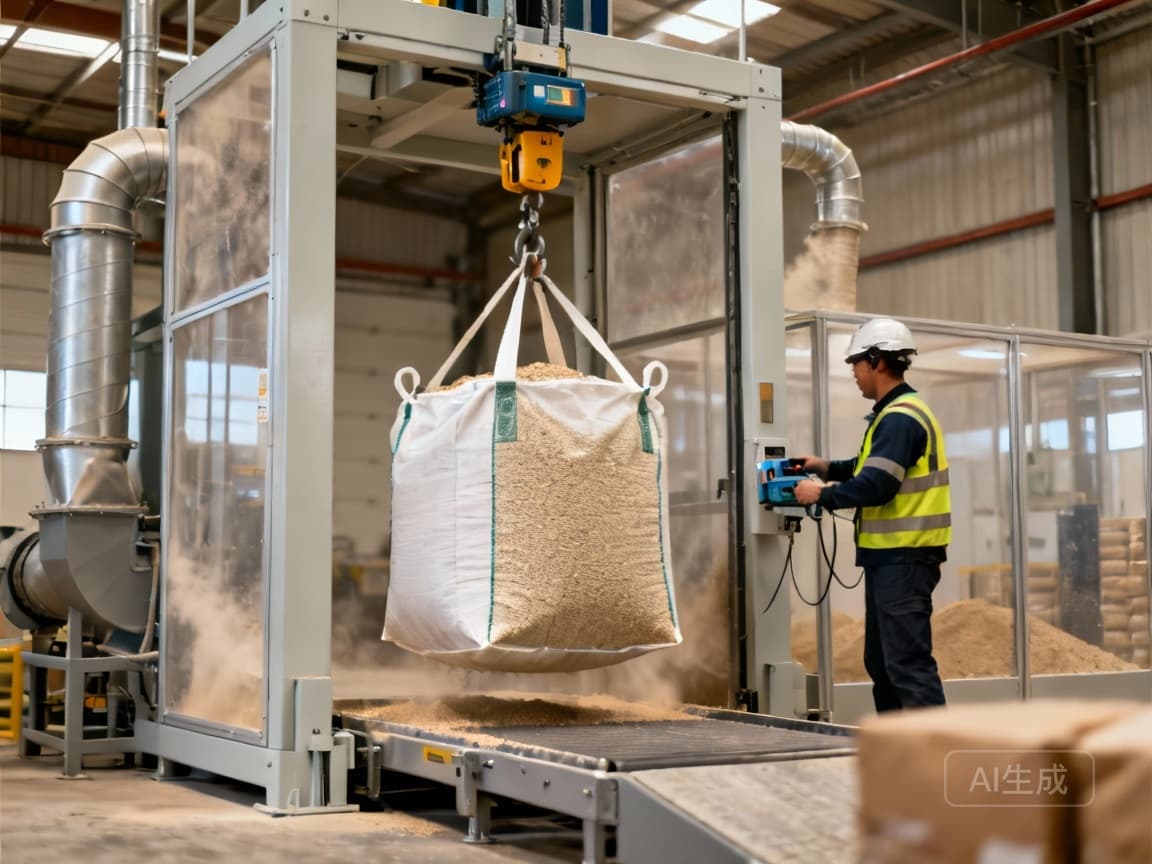
Single material packaging grows by 7.3%: How to make ton bags a bonus in customer ESG reports
Transform your FIBCs from a cost to an ESG asset. With the mono-material packaging market growing at 7.3% CAGR, sustainable bulk bags are critical for clients in cosmetics (a $546B global packaging market). Implement a framework of design-for-recycling, safe operations, and verifiable data to secure your place in their supply chain.
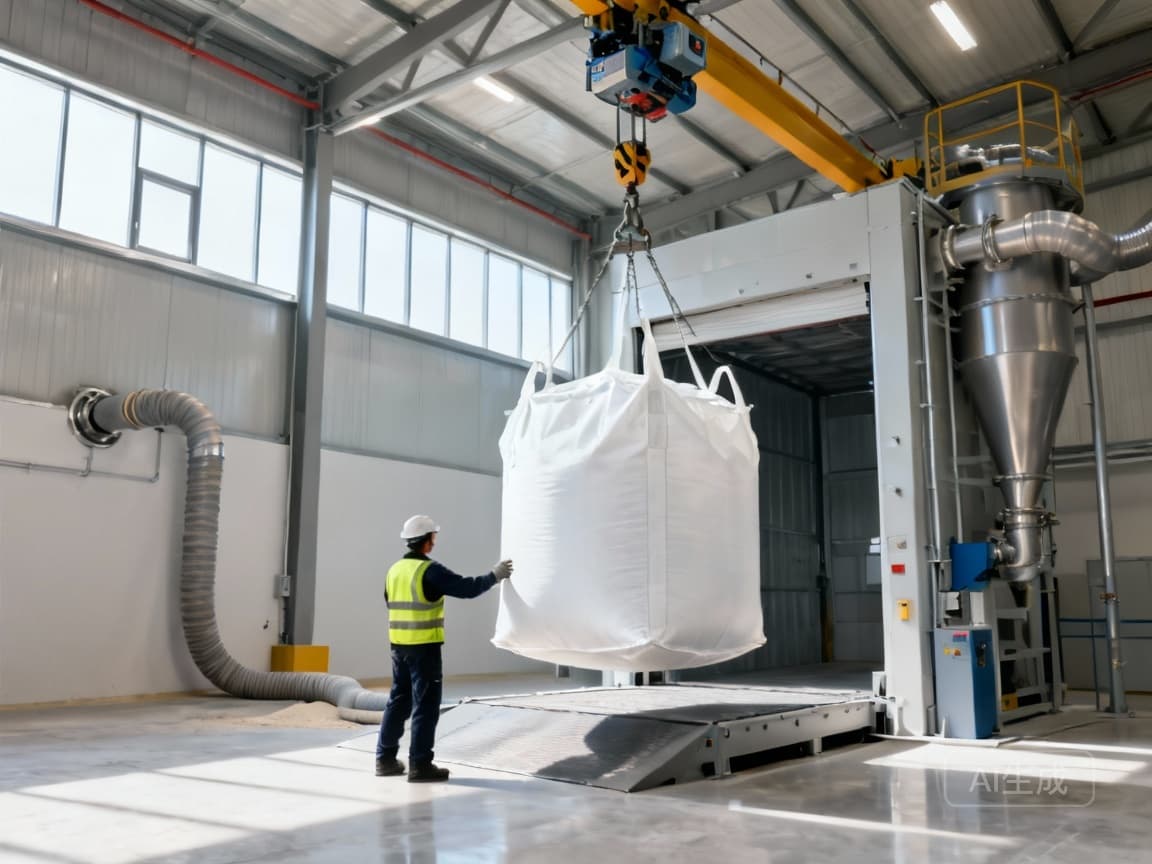
Single material ton bag: a sustainable packaging system solution driving 7.5% growth
The single-material FIBC market is projected to grow at a 7.5% CAGR, shifting from a commodity to a strategic system. This evolution enables operations to achieve higher efficiency and lower costs by integrating packaging into seamless, sustainable material flow solutions.