Industry News
Latest news, insights and updates from the FIBC and industrial packaging industry
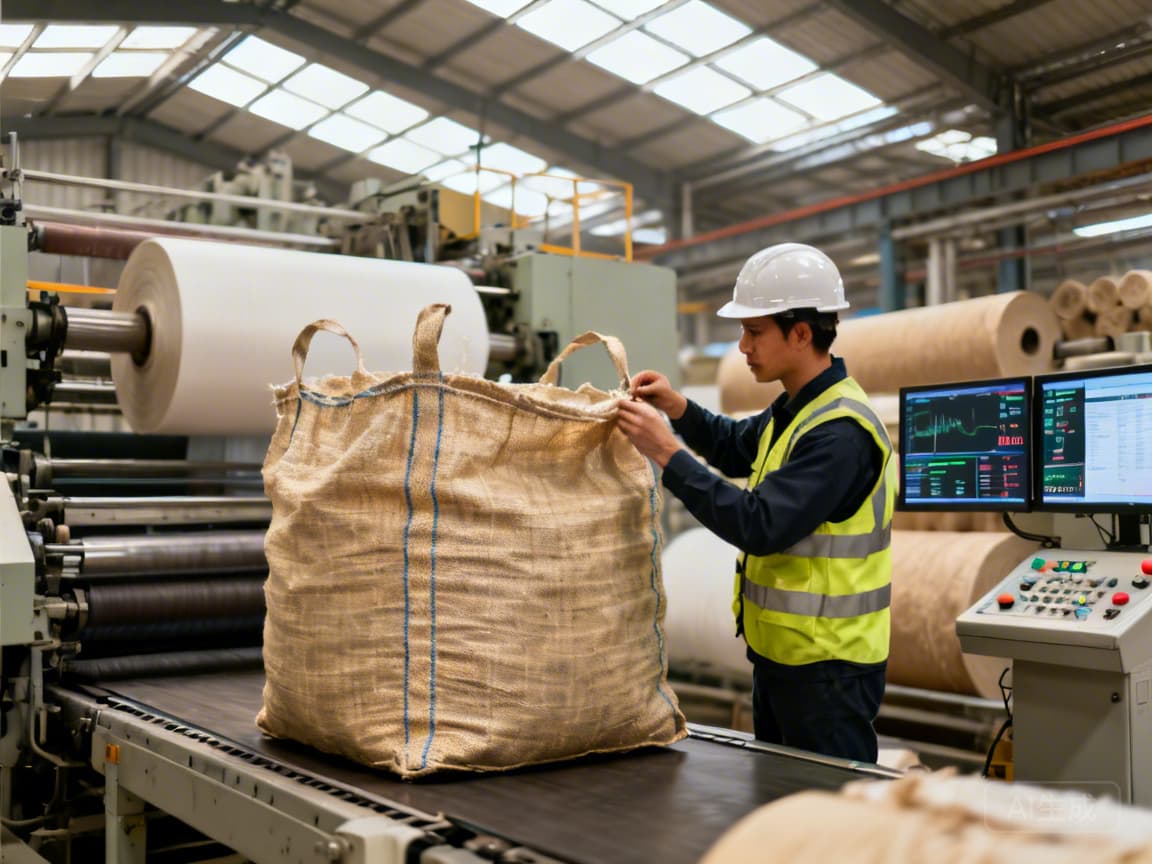
From production capacity competition to profit engine: data-driven increase in gross profit margin of ton bag manufacturing by 15%
FIBC manufacturers face margin pressure amid a trillion-yuan market. Data-driven strategies targeting production efficiency and raw material control can boost gross margins by 15%, as proven by implementations delivering over 500% average ROI.
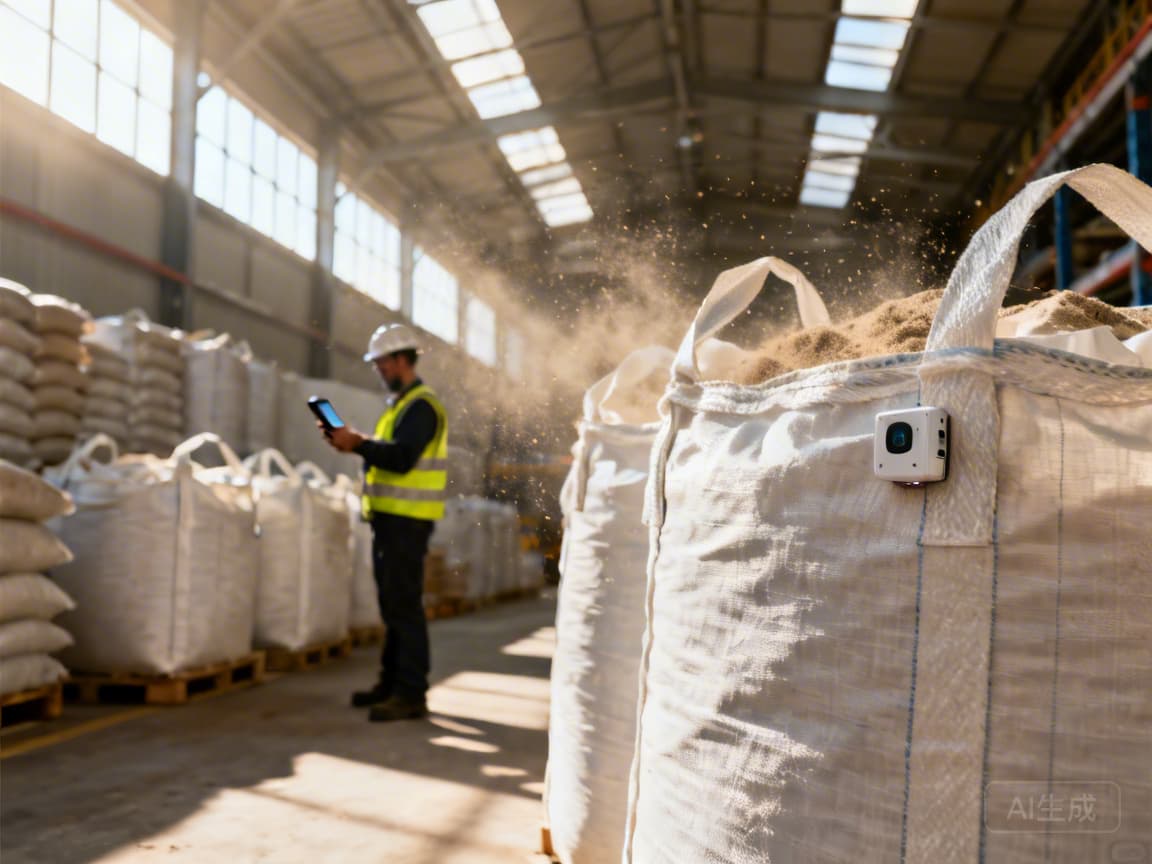
Transform Bulk Bags into Data Hubs: Boost Supply Chain ROI by 40%
Transform bulk bags into smart data hubs with IoT sensors. Real-time supply chain visibility can boost ROI by 40%, as seen in automation success with a 544% average return. Capitalize on China's trillion-yuan packaging market growth.
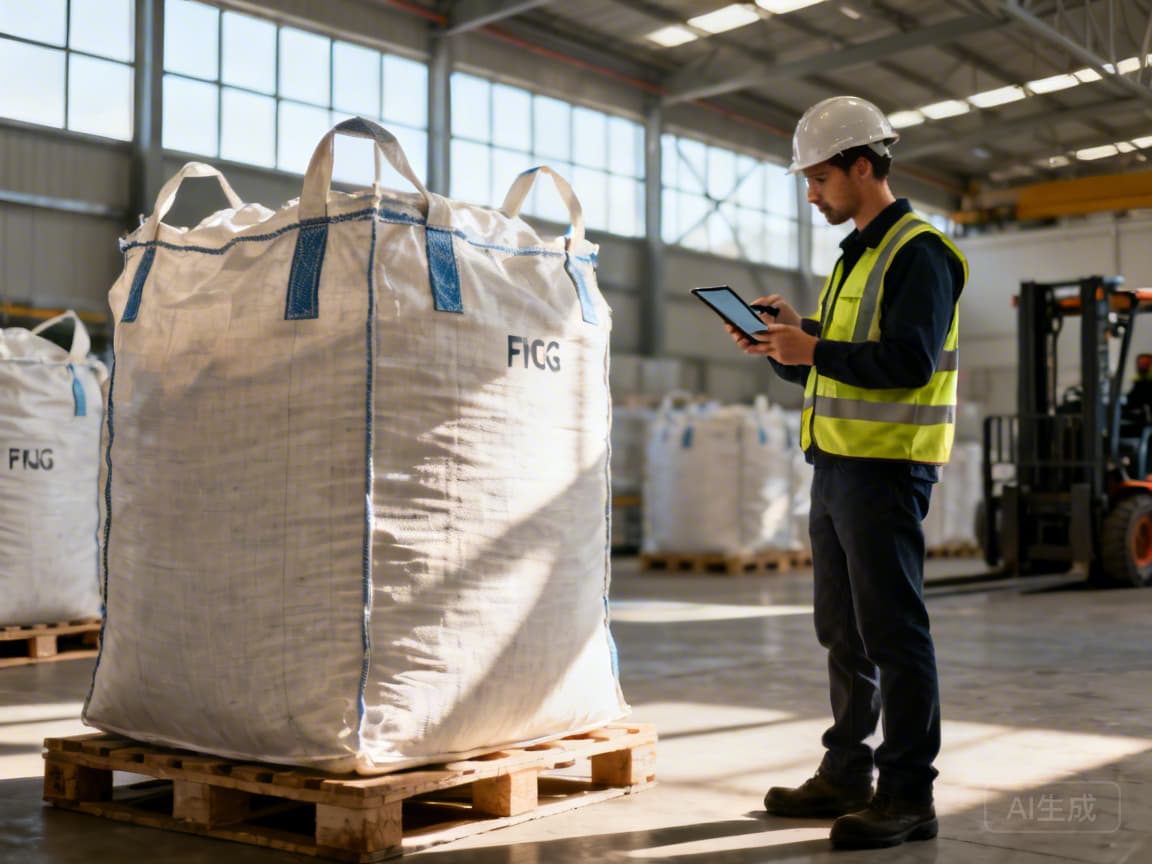
Transform Ton Bags into Data Assets: Boost Supply Chain ROI by 544%
Transform FIBCs into intelligent data assets. Documented enterprise implementations show an average 544% ROI, turning a cost center into a high-return investment by digitizing physical supply chain flows.
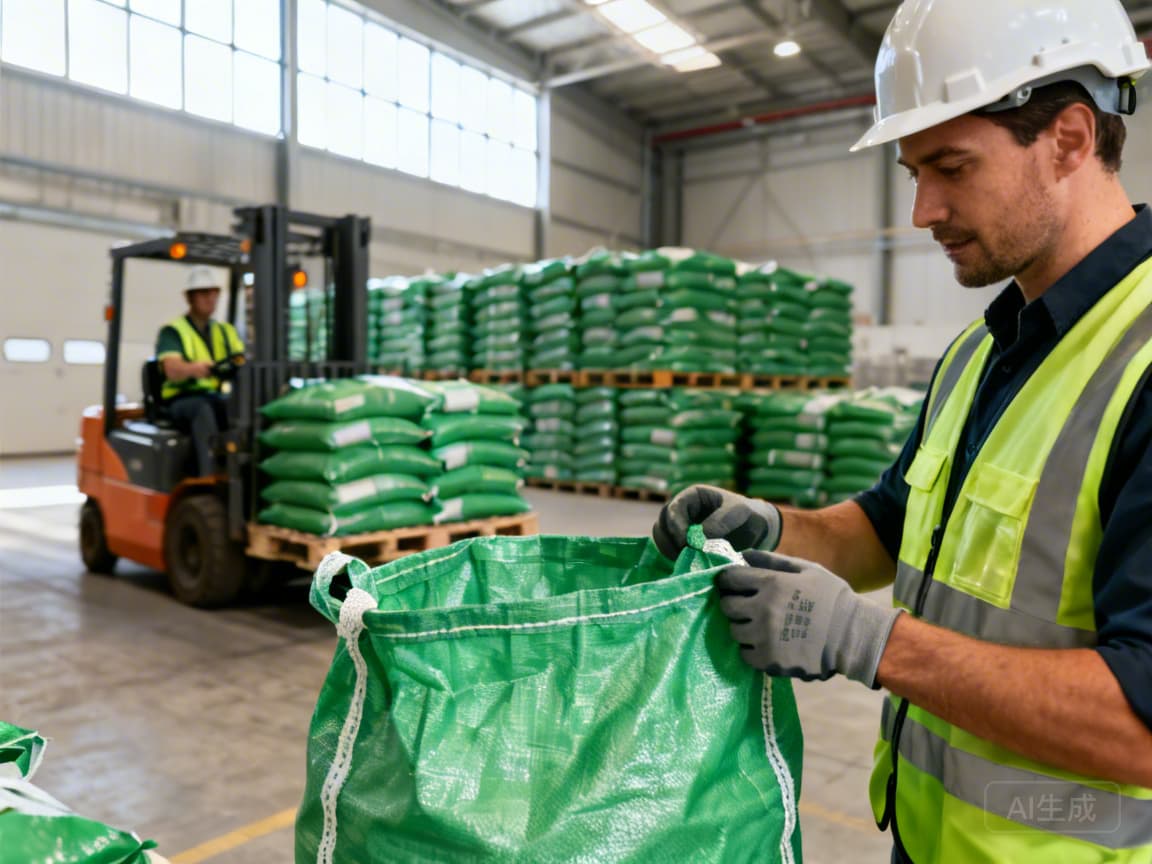
Transform FIBC Bags: From Cost Center to 80% Green Market Growth Driver
The green packaging market now commands an 80% share. Reposition FIBC bags from a cost center to a strategic driver for market access and resilience, as demonstrated by supply chain leaders achieving over 30% revenue growth through integrated sustainability.
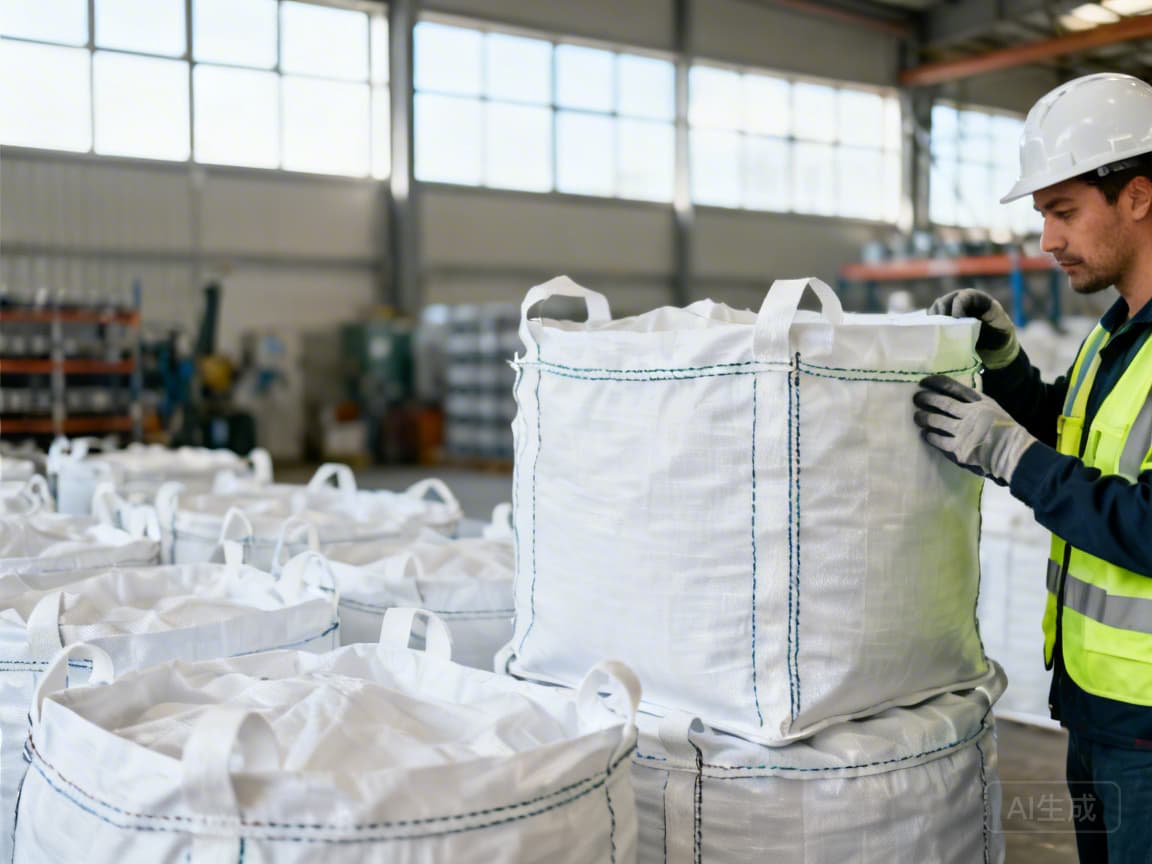
FIBCs: The Data-Driven Tool Cutting Supply Chain Emissions by 30%
Move beyond cost-per-unit. FIBCs are now strategic ESG assets. With China's green packaging market hitting ¥1 trillion, adopting circular FIBC models can cut supply chain emissions by 30% and transform a logistics cost into a sustainability driver.

From Cost Center to Growth Engine: How FIBCs Drive 5%+ Market Expansion
Forward-thinking manufacturers leverage FIBCs as strategic enablers, driving over 5% market expansion and enhancing supply chain resilience. This shift from a cost-center view unlocks new revenue in a market growing at a 5-6% CAGR, turning packaging into a proven growth engine.
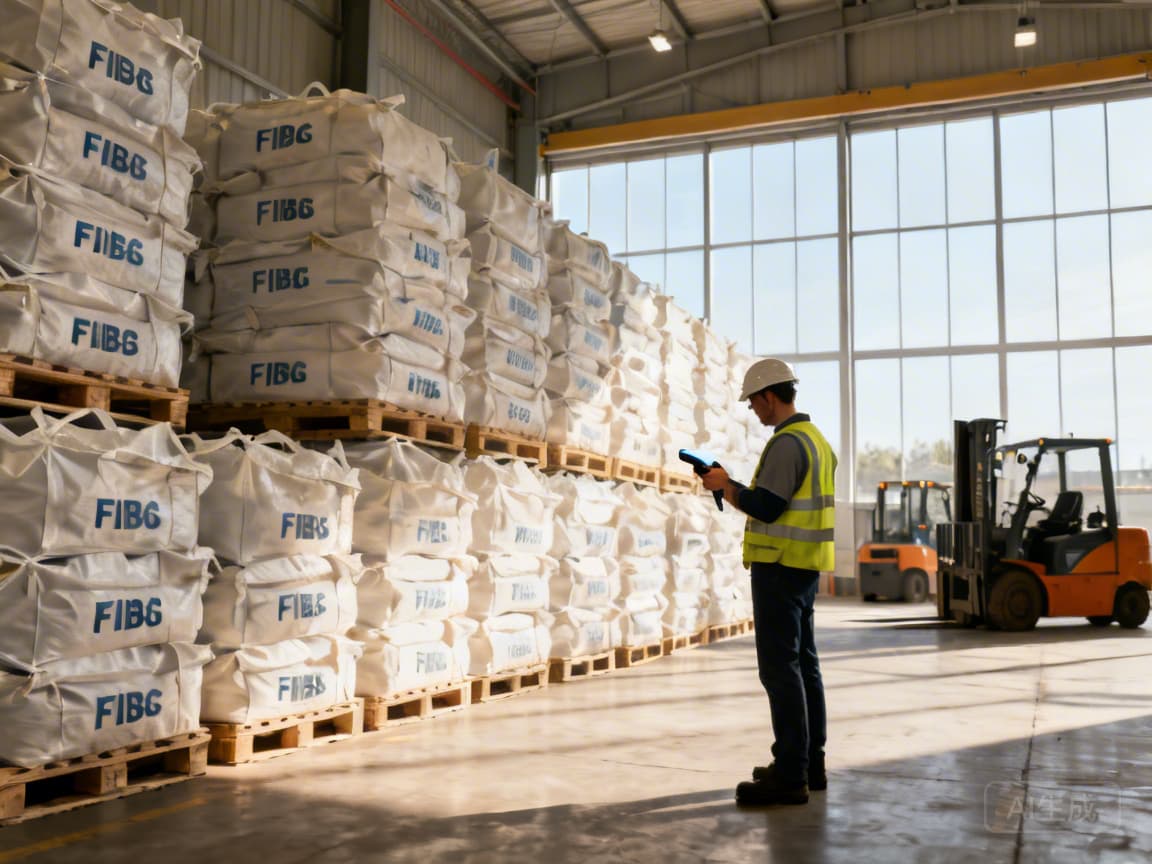
Strategic FIBCs: Cut Emergency Lead Times by 40% & Boost Supply Chain Agility
Transform FIBCs from a cost center to a strategic asset. By optimizing procurement and inventory, companies can cut emergency lead times by 40%+ and build resilience in a volatile, trillion-RMB market projected to grow at 5-6% CAGR.
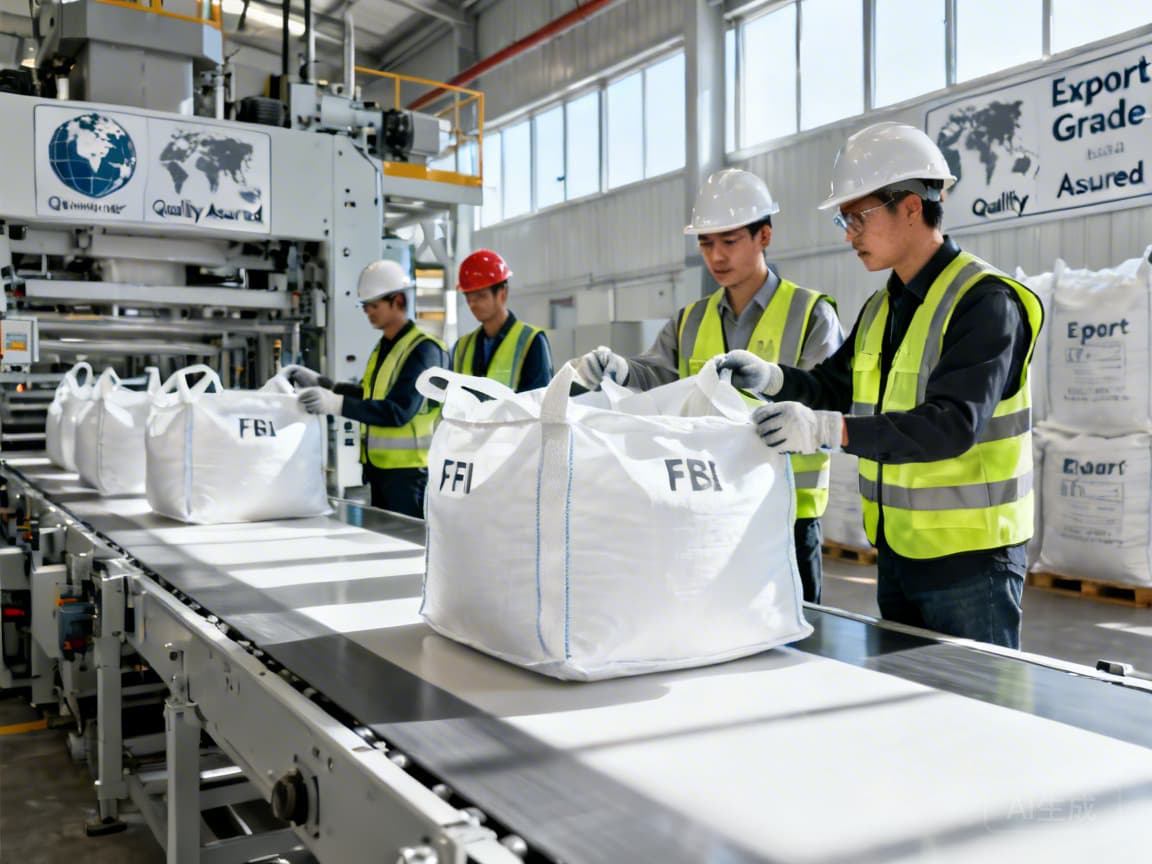
Transform Your FIBC Bag from Cost to Growth Engine: Unlock New Markets
Move beyond viewing FIBC bags as a cost center. With China's packaging market exceeding ¥1 trillion by 2025, strategic packaging becomes a catalyst for growth. Learn how leading firms leverage FIBCs to enter new markets, mitigate supply chain risk, and meet evolving customer demands for specialized, high-value solutions.
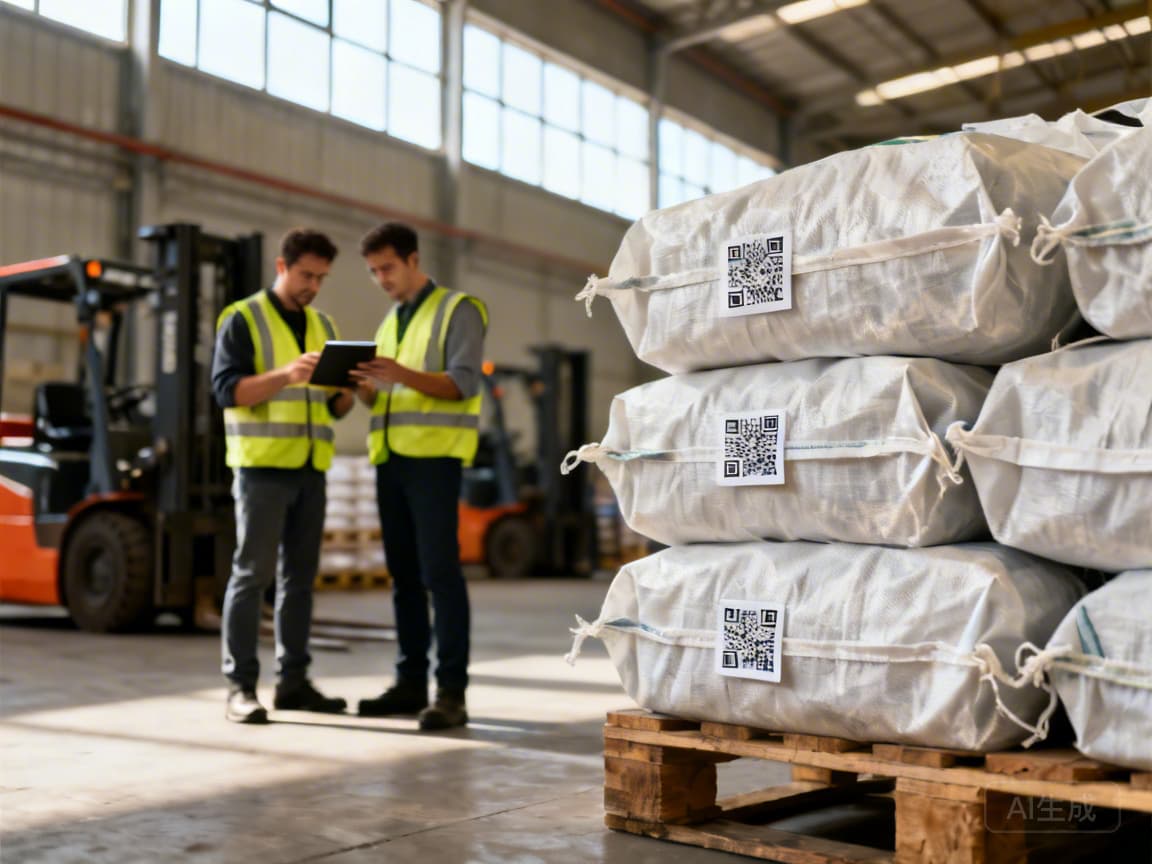
Transform FIBC Bags: From Cost to Strategic Asset, Boosting Supply Chain Resilience & ESG Value
Transform FIBC bags from cost items into strategic assets. By integrating digital passports (RFID/QR codes), they enable supply chain transparency, ESG compliance, and resilience. The global market, growing at 5-6% CAGR, validates this shift towards data-driven, sustainable logistics.
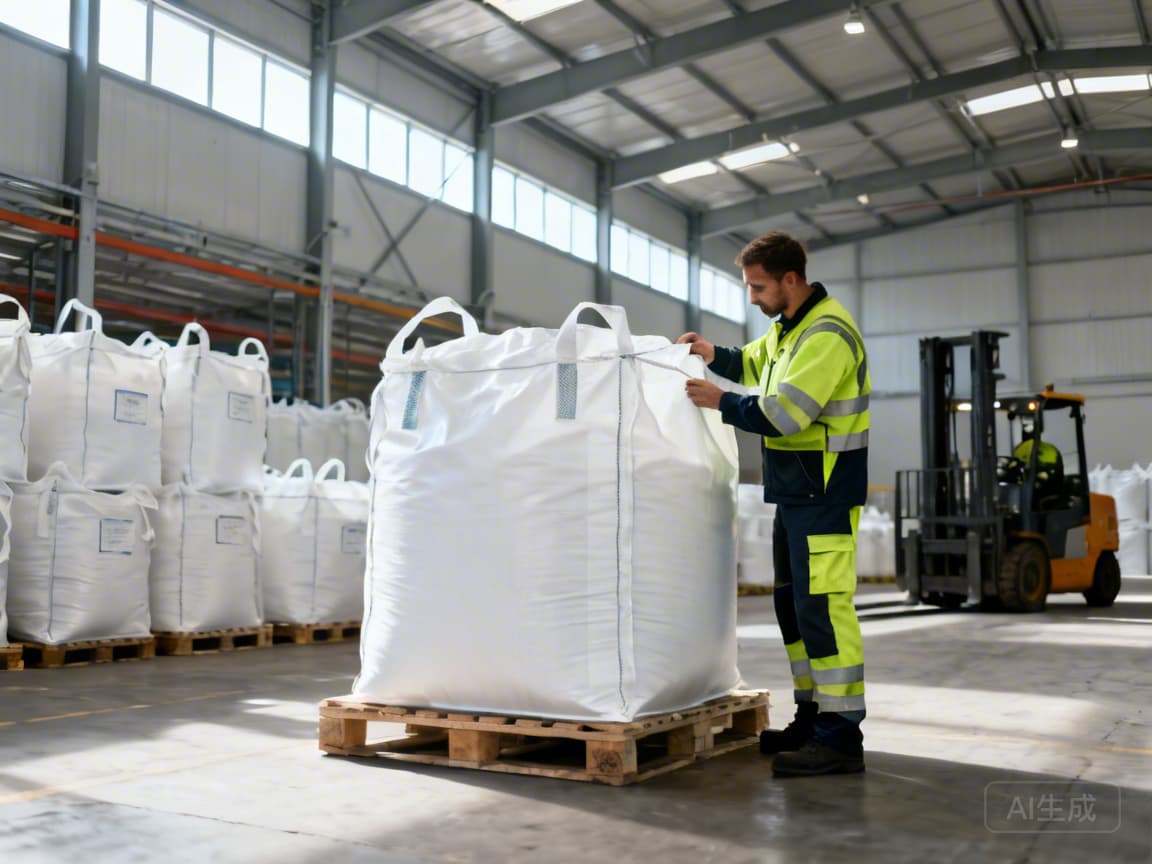
Transform FIBC Packaging: Drive 80% Green & Smart Supply Chain Growth
Transform FIBCs from a cost center to a strategic growth driver. Leverage smart, connected systems to address the 80% market shift toward green packaging, reduce material loss, and meet critical ESG and traceability demands in food & pharma supply chains.
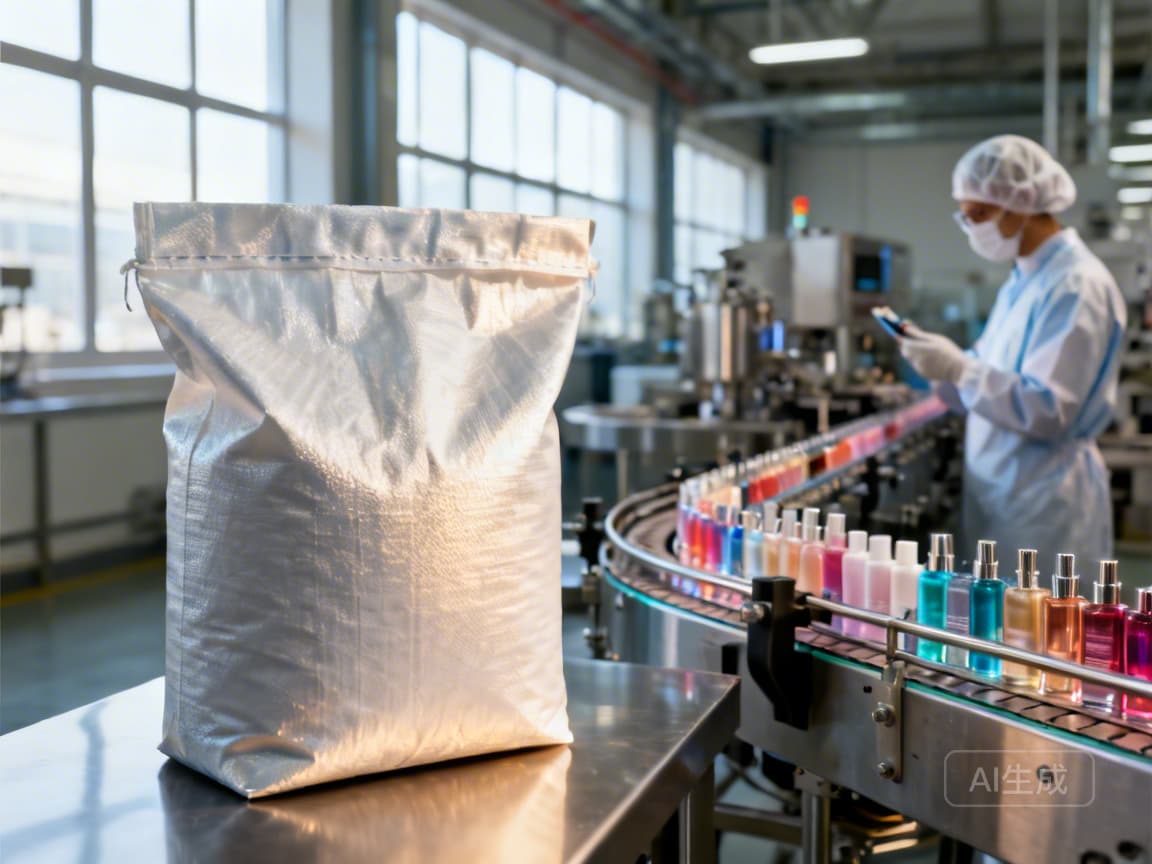
Transform FIBC Bags: From Cost Center to 30% Brand Value Driver
Shift from selling FIBC bags as a commodity to a strategic brand asset. Capture premium margins by enabling client value in high-growth sectors like cosmetics (CAGR 12.6%) and mono-material packaging (CAGR 7.7%). Drive supply chain resilience and sustainability narratives.

From Cost Center to Growth Engine: How FIBC Packaging Enhances Brand Value and Supply Chain Resilience 35%
Forward-thinking brands are transforming FIBC packaging from a cost center into a strategic asset, boosting supply chain resilience by up to 35%. This shift leverages FIBCs as brand guardians, ensuring product integrity for leaders like C'estbon and Blue Moon, while aligning with the growing $3.94B mono-material packaging market.