Industry News
Latest news, insights and updates from the FIBC and industrial packaging industry
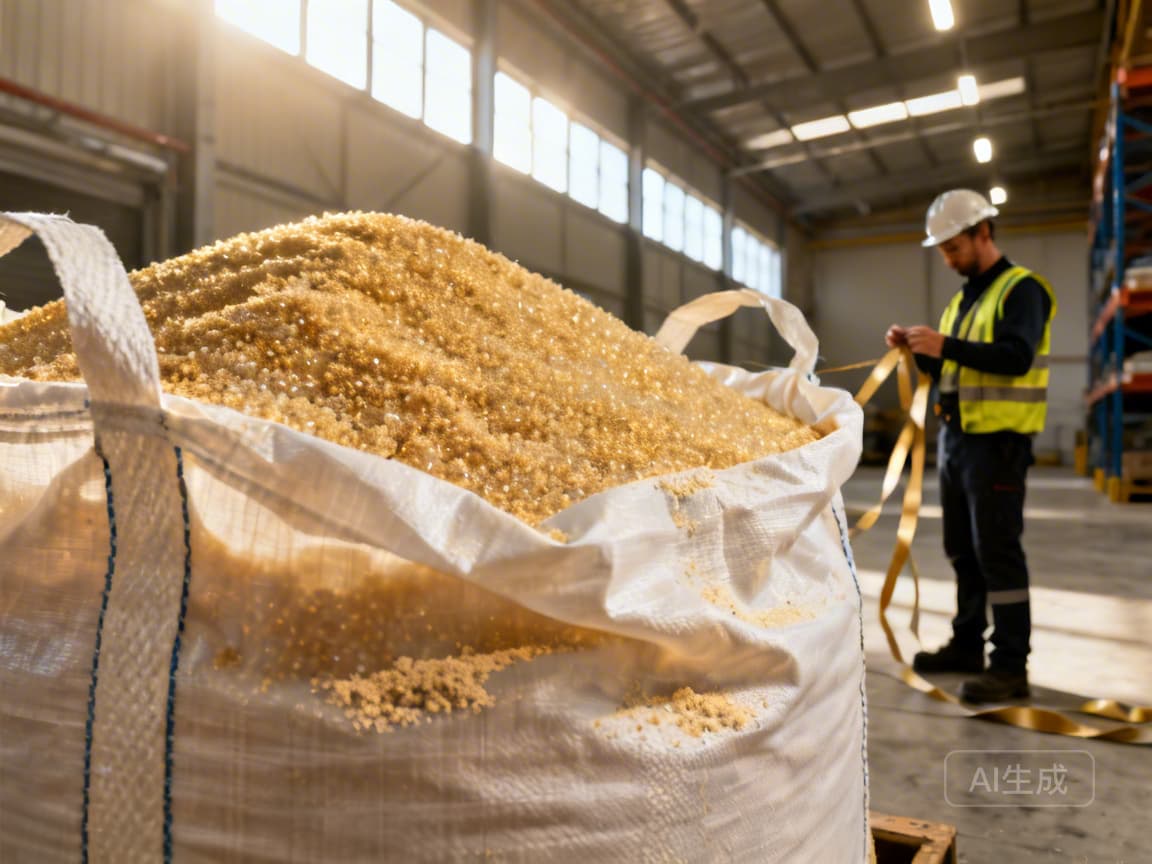
Transform FIBCs from Cost to Asset: Boost ROI 30% with Lifecycle Management
Shift FIBCs from a cost to a managed asset. Proactive lifecycle management can deliver a 30% ROI improvement by optimizing total cost of ownership. This aligns with strategic packaging trends, including the $39.4B mono-material market growing at 7.7% CAGR.

The $4.24B Mono-Material Shift: Future-Proof Your FIBC Procurement
The $4.24B mono-material FIBC market (2025) is driven by consumer demand and recycling regulations. This strategic shift from cost to asset future-proofs procurement by ensuring compliance, reducing lifecycle costs, and enhancing brand value.

From Cost to Growth: How FIBC Innovation Drives 7.7% CAGR & ESG Value
The global single-material FIBC market is projected to grow at 7.7% CAGR, reaching $42.4B in 2025. This shift, driven by ESG demands, transforms FIBCs from cost items into strategic assets for sustainable supply chain growth.

Beyond the Bag: How FIBCs Drive 7.7% Market Growth & Client ESG Goals
The global mono-material FIBC market is projected to grow at a 7.7% CAGR, reaching $4.24B by 2025. This shift transforms FIBCs from simple containers into strategic partners, enabling clients to meet critical ESG goals and build resilient, high-value supply chains.
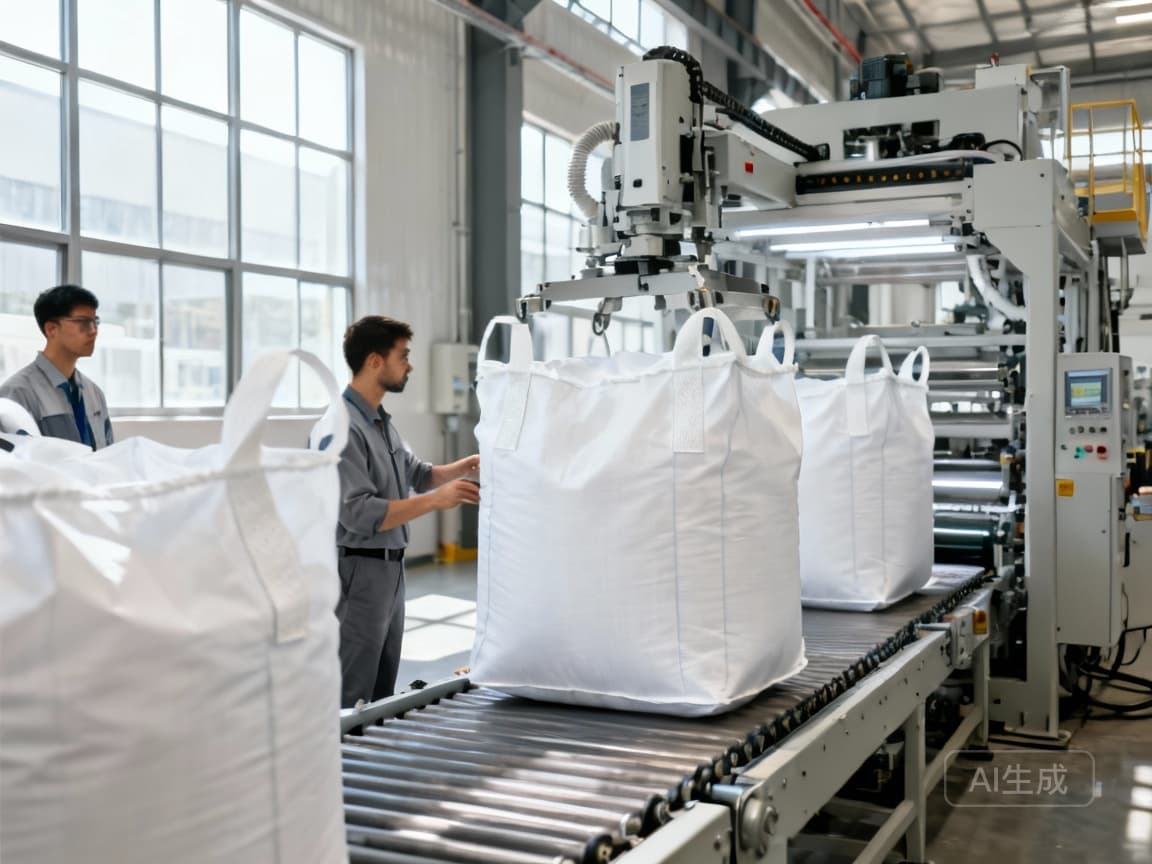
Single-Material FIBCs: Cut Waste & Boost ESG Scores by 30%
Shift from commodity to strategic asset: Single-material FIBCs, a $3.94B market growing at 7.7% CAGR, enable a closed-loop supply chain. Adopting 100% PP designs can boost ESG scores by 30% through enhanced recyclability and waste reduction.

Empower Your Clients: A Ton Bag ROI Framework to Shorten Value Realization by 35%
Shift from cost-based sales to a value partnership. Our proven ROI framework, inspired by tech leaders, helps clients achieve measurable outcomes 35% faster, with case studies showing up to 544% ROI. Empower their growth to secure your strategic role.

Beyond Leak-Proof: Data-Driven FIBC Strategy Cuts Supply Chain Disruption Risk by 37%
A data-driven FIBC strategy reduces supply chain disruption risk by 37%. Proven ROI of 544% with a 2-year payback transforms packaging from a cost center into a strategic asset for operational resilience and efficiency.
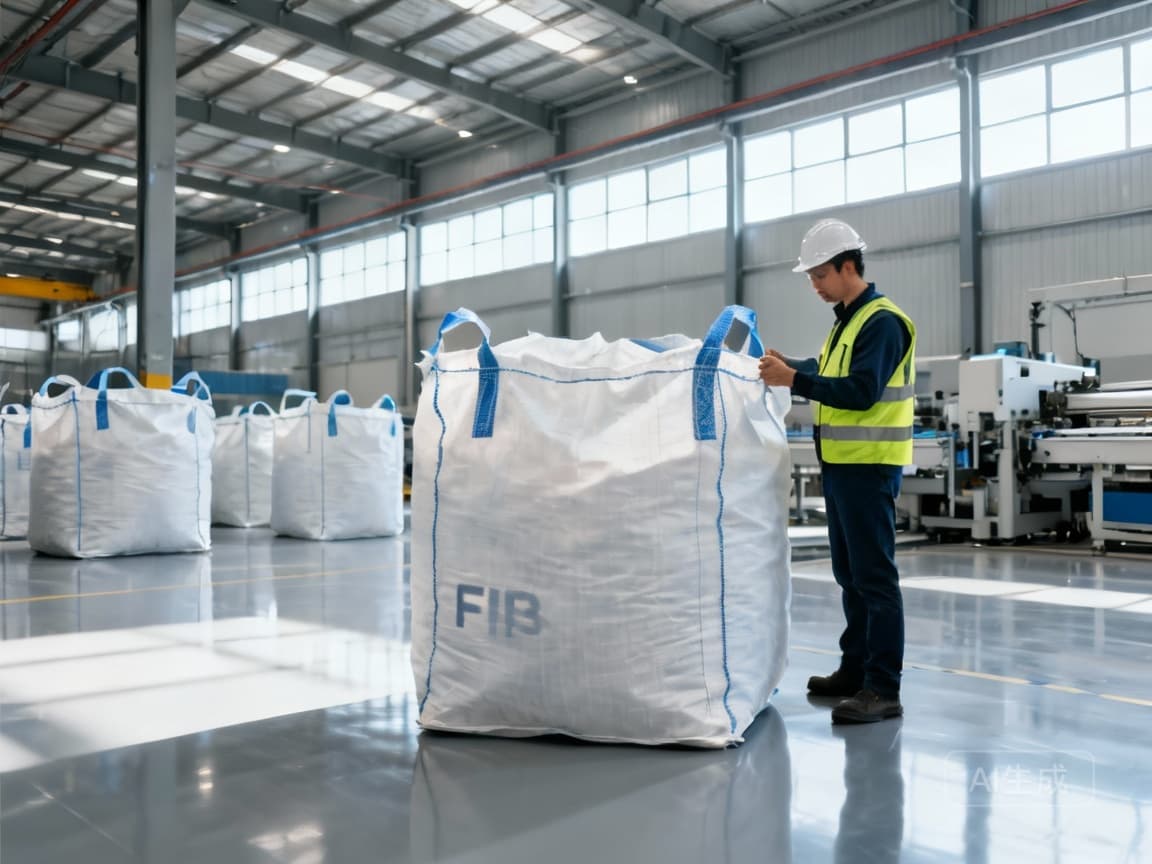
Transform FIBC Bags into Strategic Assets: A 544% ROI Blueprint for Operations
Transform FIBC bags from a cost center into a strategic asset. Adopt a proven tech-implementation framework to achieve a 544% average ROI and a 2-year average payback period, mirroring documented enterprise successes.

Beyond Cost: A Data-Driven Blueprint for 544% ROI in FIBC Packaging Systems
Shift from price-per-bag to a system investment. Data shows a structured approach, proven to deliver a 544% average ROI in adjacent fields, can unlock similar value by mitigating hidden costs in labor, risk, and disposal within your FIBC operations.

Transform FIBCs into Smart Data Nodes: Accelerate 35% ROI & Optimize Supply Chain
Transform FIBCs into smart, connected assets. Data shows embedding tracking tech can accelerate positive ROI by 35% and deliver an average 544% return, optimizing supply chains and building customer loyalty.
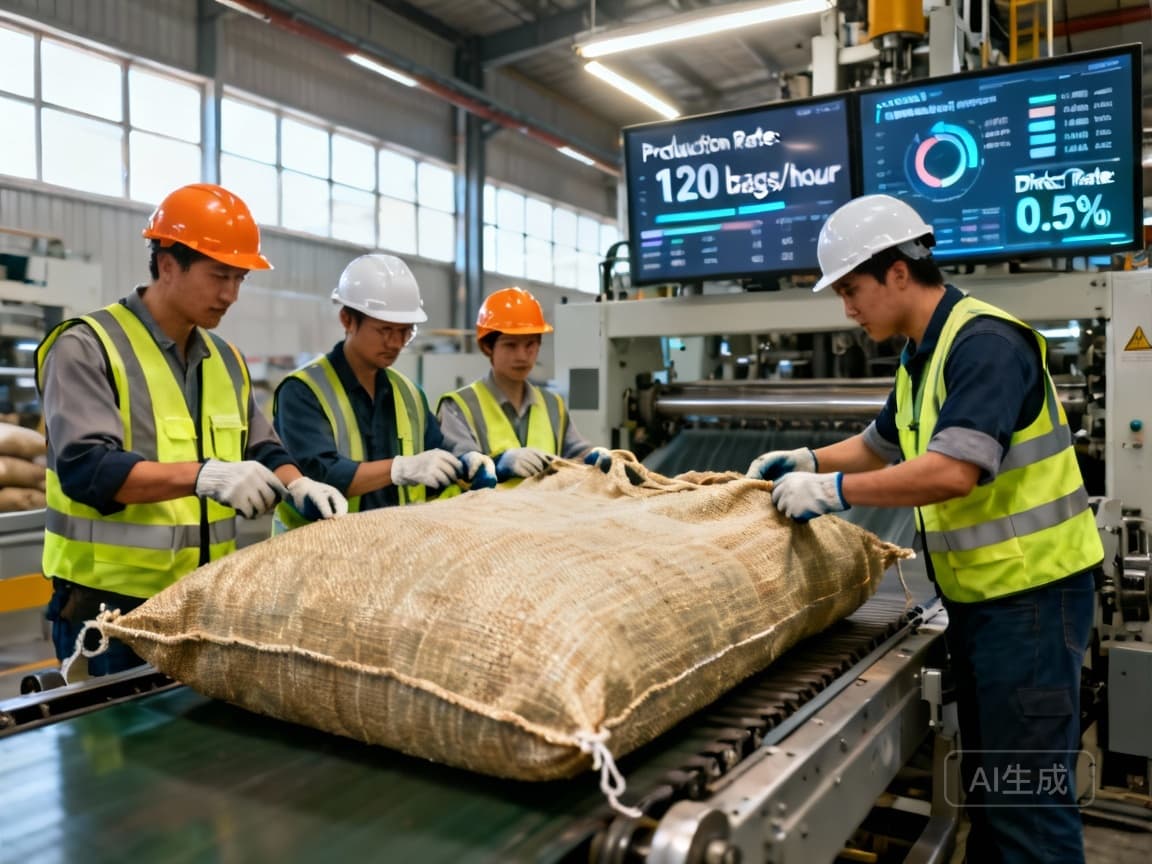
Ton bag manufacturer: Data based operation improves efficiency by 544%, turning compliance costs into competitive advantages
Leading FIBC manufacturers achieve a 544% average ROI by transforming compliance into a competitive edge. Our data-driven "Deterministic Manufacturing" framework enables predictive operations, turning cost centers into value engines for supply chain certainty.
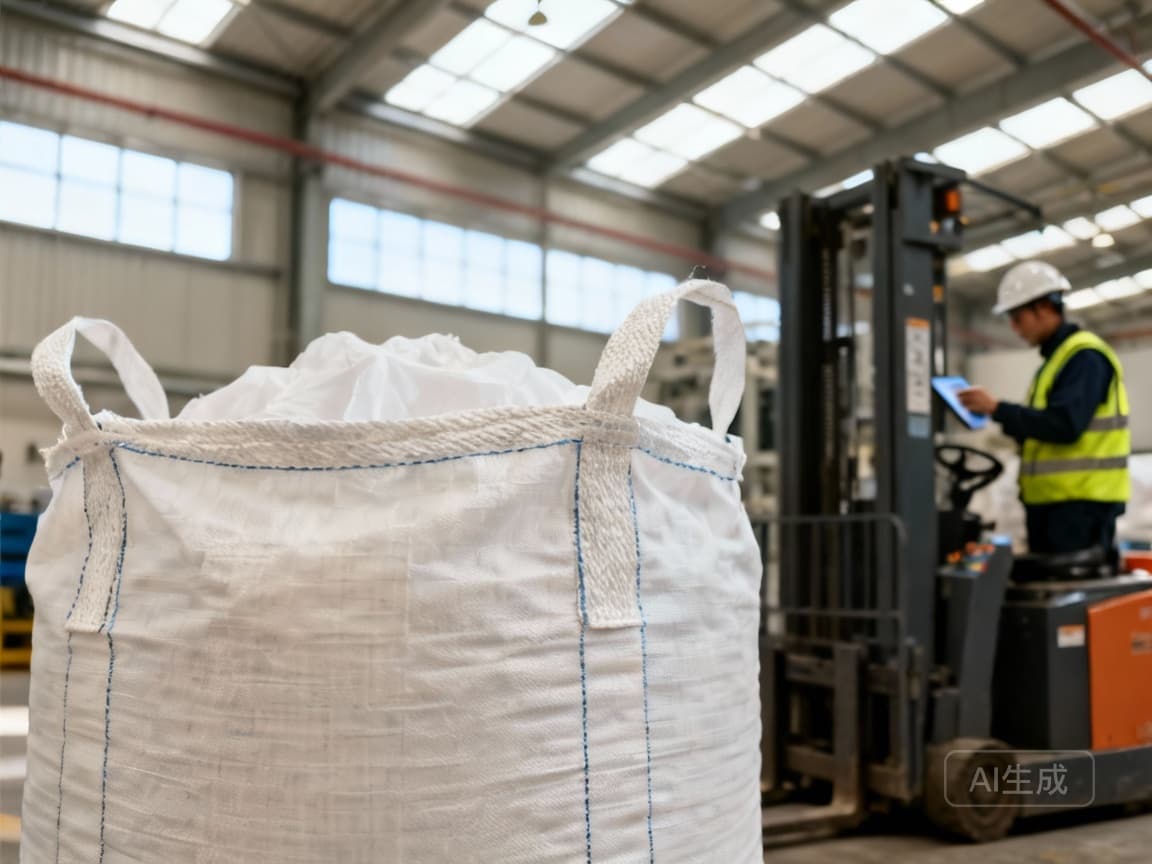
Future-Proof Your FIBCs: Cut EPR Costs 20% with Single-Material Design
Future-proof your FIBCs: Single-material design can cut EPR compliance costs by 20%. With the global mono-material packaging market projected to grow from $3.94B to $5.63B by 2029, this strategic shift simplifies recycling, mitigates regulatory risk, and builds supply chain resilience.